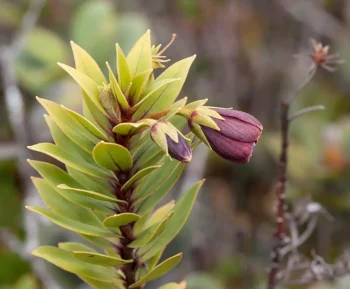
Lehua Makanoe: Hawaii’s Critically Endangered Wetland Treasure
Meet lehua makanoe (Lysimachia daphnoides), one of Hawaii’s most precious and endangered native plants. This rare perennial shrub represents both the incredible biodiversity of the Hawaiian Islands and the urgent need for plant conservation. If you’re passionate about native Hawaiian plants and conservation gardening, lehua makanoe deserves a spot on your radar – though growing it comes with important responsibilities.
What Makes Lehua Makanoe Special?
Lehua makanoe is a perennial shrub that’s exclusively native to Hawaii, making it a true island endemic. This multi-stemmed woody plant typically grows to less than 13-16 feet in height, with several stems arising from or near the ground. Like many Hawaiian natives, it has adapted to very specific environmental conditions that make it both unique and vulnerable.
The plant was previously known by the synonym Lysimachia longa H. St. John, but today it’s recognized under its current scientific name, Lysimachia daphnoides.
Where Does It Grow?
This remarkable plant is found only in Hawaii, where it occupies a very specialized ecological niche. Its extremely limited distribution is part of what makes it so critically endangered.
- Species observed
- No observations
A Plant on the Brink
Here’s where things get serious: lehua makanoe has a Global Conservation Status of S1, which translates to Critically Imperiled. This classification means the species faces extreme rarity with typically 5 or fewer occurrences and very few remaining individuals (fewer than 1,000 plants total). In the United States, it’s officially listed as Endangered.
This conservation status isn’t just a number – it represents a plant teetering on the edge of extinction. Every individual plant matters when you’re dealing with numbers this small.
Wetland Specialist
Lehua makanoe is what botanists call an Obligate Wetland species in Hawaii, meaning it almost always occurs in wetland environments. This plant has evolved specifically for wet, marshy conditions and simply can’t survive in typical garden settings. Its wetland dependency is both fascinating from an ecological perspective and challenging from a cultivation standpoint.
Should You Grow Lehua Makanoe?
The short answer is: only if you’re deeply committed to conservation and can source the plant responsibly. Here’s what you need to consider:
- Ethical sourcing is critical – Never collect from wild populations. Only obtain plants from legitimate conservation programs or nurseries working with proper permits
- Specialized habitat requirements – This isn’t a plant for typical landscaping. It requires wetland conditions that most home gardens can’t provide
- Conservation responsibility – Growing endangered plants means you’re participating in species preservation, which comes with serious responsibilities
- Limited availability – Due to its rarity, finding lehua makanoe for purchase is extremely difficult and expensive
Creating the Right Environment
If you’re determined to grow lehua makanoe, you’ll need to recreate wetland conditions. This means:
- Consistently moist to wet soil conditions
- Appropriate drainage that maintains moisture without becoming stagnant
- Understanding of Hawaiian native plant cultivation techniques
- Patience – rare plants often grow slowly and require specialized care
Given the plant’s obligate wetland status, consider whether you can maintain these conditions year-round before committing to growing this species.
Supporting Conservation Instead
For most gardeners, the best way to help lehua makanoe is through supporting conservation efforts rather than trying to grow it personally. Consider:
- Donating to Hawaiian plant conservation organizations
- Volunteering for native habitat restoration projects
- Growing other, less endangered Hawaiian natives in your garden
- Spreading awareness about Hawaii’s endangered plant species
The Bigger Picture
Lehua makanoe represents the incredible but fragile nature of island ecosystems. While most of us won’t have the opportunity to grow this rare plant, learning about it connects us to the urgent need for plant conservation in Hawaii and beyond.
If you’re passionate about Hawaiian natives, consider focusing on less endangered species that can still provide authentic native beauty to your landscape while supporting local ecosystems. Every native plant we grow and protect makes a difference – even if it’s not the rarest one.
Remember: sometimes the most meaningful way to appreciate a rare plant is to admire it from afar while working to ensure future generations can do the same.