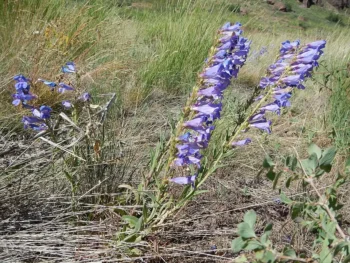
Lemhi Penstemon: A Rare Mountain Gem Worth Growing Responsibly
If you’re looking to add a touch of Rocky Mountain wildness to your garden while supporting native biodiversity, Lemhi penstemon (Penstemon lemhiensis) might just be the perfect addition. This stunning native wildflower brings vibrant purple-blue blooms and incredible pollinator appeal to any landscape – but there’s an important conservation story you should know before planting.
What Makes Lemhi Penstemon Special?
Lemhi penstemon is a true regional treasure, native exclusively to the mountainous regions of Idaho and Montana. This perennial forb produces gorgeous spikes of tubular purple-blue flowers that bloom from late spring into early summer, creating a spectacular display that both gardeners and pollinators absolutely love.
As a herbaceous perennial, Lemhi penstemon dies back to the ground each winter and returns reliably each spring, making it a wonderful long-term investment for your garden. The plant typically grows in clumps with attractive foliage and those show-stopping flower spikes that can really make a statement in the landscape.
Where Does It Call Home?
This beautiful wildflower has a relatively limited native range, growing naturally only in Idaho and Montana. It’s perfectly adapted to the challenging mountain conditions of the northern Rocky Mountains, which gives you a clue about what it needs to thrive in your garden.
- Species observed
- No observations
Important Conservation Considerations
Here’s where things get important: Lemhi penstemon has a Global Conservation Status of S3, meaning it’s considered Vulnerable. This classification indicates the species is at risk due to its limited range and relatively small population numbers – typically only 21 to 100 occurrences exist in the wild.
What this means for gardeners: While we absolutely encourage growing this beautiful native plant, it’s crucial to source your plants or seeds responsibly. Always purchase from reputable native plant nurseries that propagate their stock rather than wild-collecting. Never collect seeds or plants from wild populations.
Why Grow Lemhi Penstemon?
Despite its conservation concerns – or perhaps because of them – there are compelling reasons to include Lemhi penstemon in your garden:
- Pollinator magnet: The tubular flowers are perfectly designed to attract bees, butterflies, and hummingbirds
- Low maintenance: Once established, it’s quite drought tolerant and requires minimal care
- Native plant gardening: Perfect for authentic native plant landscapes and wildflower meadows
- Conservation impact: Growing it in gardens helps preserve genetic diversity outside of wild populations
- Unique beauty: Those purple-blue flower spikes are truly stunning and not commonly seen in typical gardens
Perfect Garden Settings
Lemhi penstemon shines in several garden styles:
- Native plant and wildflower gardens
- Rock gardens and alpine-style landscapes
- Xeric or drought-tolerant gardens
- Pollinator gardens and butterfly gardens
- Mountain or high-elevation themed landscapes
Growing Conditions and Care
Think mountain meadow when planning where to plant Lemhi penstemon. This hardy perennial thrives in USDA hardiness zones 4-7 and prefers:
- Sunlight: Full sun to partial shade (morning sun is especially beneficial)
- Soil: Well-drained soils are absolutely essential – soggy conditions will kill it
- Water: Drought tolerant once established, but appreciates occasional deep watering during extended dry spells
- pH: Adaptable to various soil pH levels, but avoid extremely acidic conditions
Planting and Care Tips
Getting Lemhi penstemon established successfully is pretty straightforward if you keep its mountain origins in mind:
- Best planting time: Spring after the last frost date
- Soil preparation: Ensure excellent drainage by adding coarse sand or gravel if needed
- Spacing: Allow adequate space for air circulation
- Watering: Water regularly the first season, then reduce as the plant establishes
- Fertilizing: Generally unnecessary – too much fertility can actually reduce flowering
- Maintenance: Deadhead spent flowers to encourage continued blooming
The Bottom Line
Lemhi penstemon is a fantastic choice for gardeners who want to grow something truly special while supporting native plant conservation. Its stunning flowers, pollinator benefits, and low-maintenance nature make it a winner in the right garden setting. Just remember the golden rule: always source your plants responsibly from reputable nurseries that propagate rather than wild-collect.
By growing this vulnerable native species in our gardens, we’re not just creating beautiful landscapes – we’re participating in conservation efforts that help ensure future generations can enjoy these mountain treasures both in the wild and in cultivation.