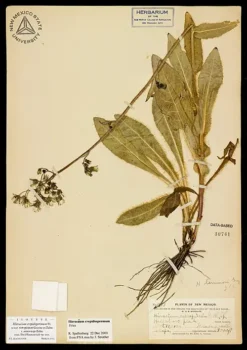
Lemmon’s Hawkweed: A Rare Southwestern Native Worth Growing Responsibly
If you’re passionate about native plants and drawn to the rugged beauty of the American Southwest, you might want to get acquainted with Lemmon’s hawkweed (Hieracium lemmonii). This charming perennial wildflower brings a splash of sunny yellow to gardens while supporting local ecosystems – but there’s an important caveat every gardener should know before adding it to their landscape.
What Makes Lemmon’s Hawkweed Special?
Lemmon’s hawkweed is a true southwestern native, calling only Arizona and New Mexico home in the wild. As a member of the sunflower family, it produces bright yellow, dandelion-like flowers that seem to capture the essence of desert sunshine. This perennial forb (that’s garden-speak for a non-woody flowering plant) has adapted beautifully to the challenging conditions of the American Southwest.
The plant typically reaches moderate heights and spreads naturally through underground rhizomes and self-seeding, creating lovely drifts of golden blooms during its flowering season. Its flowers attract a variety of pollinators, including bees and butterflies, making it a valuable addition to wildlife-friendly gardens.
- Species observed
- No observations
A Plant That Needs Our Protection
Here’s where things get serious: Lemmon’s hawkweed has a Global Conservation Status of S3, meaning it’s considered Vulnerable. This classification indicates the plant is either very rare throughout its range or faces other factors that make it susceptible to disappearing from the wild. With typically only 21 to 100 known occurrences and an estimated 3,000 to 10,000 individual plants in existence, this little hawkweed needs our help.
What this means for gardeners: If you’re interested in growing Lemmon’s hawkweed, it’s absolutely crucial to source your plants or seeds responsibly. Never collect from wild populations, and always purchase from reputable native plant nurseries that propagate their stock rather than wild-harvest it.
Growing Lemmon’s Hawkweed Successfully
The good news? Once you’ve sourced your plants responsibly, Lemmon’s hawkweed is relatively easy to grow if you can provide the right conditions. This hardy perennial thrives in USDA hardiness zones 5-9, making it suitable for a wide range of climates.
Ideal Growing Conditions
- Sunlight: Full sun to partial shade
- Soil: Well-draining soil is essential – this plant won’t tolerate waterlogged conditions
- Water: Drought tolerant once established, requiring minimal supplemental watering
- Climate: Adapted to arid and semi-arid conditions
Planting and Care Tips
Plant Lemmon’s hawkweed in spring after the last frost date. Choose a location with excellent drainage – if your soil tends to stay soggy, consider creating a raised bed or adding sand and gravel to improve drainage. Once established, this tough little native requires minimal care, embodying the plant it and forget it philosophy that makes native plants so appealing.
Water regularly during the first growing season to help establish a strong root system, then gradually reduce watering. Mature plants are quite drought tolerant and may actually perform better with less water than more.
Perfect Garden Companions
Lemmon’s hawkweed shines in native plant gardens, xerophytic landscapes, and naturalized wildflower areas. It pairs beautifully with other southwestern natives and works particularly well in rock gardens where its drought tolerance and compact growth habit can be fully appreciated.
Consider combining it with other native southwestern species for a authentic regional landscape that supports local wildlife while conserving water.
Supporting Conservation Through Gardening
By growing Lemmon’s hawkweed responsibly in your garden, you’re doing more than just adding a beautiful native plant to your landscape. You’re participating in conservation efforts, providing habitat for pollinators, and helping ensure this vulnerable species has a future.
Remember: the key word here is responsibly. Always source plants from reputable nurseries, never collect from the wild, and consider sharing seeds or divisions with other gardeners to help spread this wonderful native plant through cultivation rather than wild collection.
Lemmon’s hawkweed may be small and vulnerable in the wild, but with thoughtful gardeners like you, it can have a bright and secure future in our designed landscapes.