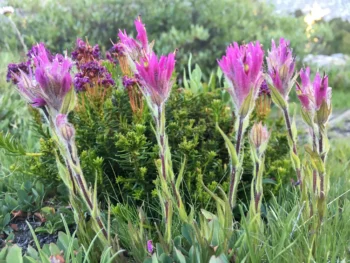
Lemmon’s Indian Paintbrush: A Rare Gem for Western Native Gardens
If you’ve ever hiked through the mountains of California or Nevada and spotted brilliant red-orange paintbrush blooms dotting the landscape, you may have encountered Lemmon’s Indian paintbrush (Castilleja lemmonii). This stunning native perennial brings that same wild mountain magic to your garden—but with a few important considerations every responsible gardener should know.
What Makes Lemmon’s Indian Paintbrush Special?
Lemmon’s Indian paintbrush is a true native treasure, found naturally only in California and Nevada. As a perennial forb (that’s botanist-speak for a non-woody flowering plant), it returns year after year to paint your garden with its signature fiery bracts. Those colorful petals you admire aren’t actually petals at all—they’re specialized leaves called bracts that surround the real flowers, creating nature’s own masterpiece.
This plant grows naturally in the mountainous regions of the American West, thriving in the challenging conditions that would make many garden plants throw in the towel.
- Species observed
- No observations
A Word About Rarity
Here’s something important to know: Lemmon’s Indian paintbrush has a conservation status that suggests it may be of concern in the wild. This means if you’re considering adding this beauty to your garden, please source it responsibly from reputable native plant nurseries that propagate their stock rather than wild-collecting. Never dig plants from the wild—it’s both illegal and harmful to wild populations.
Why Gardeners Love (and Sometimes Struggle With) Indian Paintbrush
Lemmon’s Indian paintbrush offers several compelling reasons to include it in your landscape:
- Stunning visual impact with vibrant red-orange bracts
- Attracts hummingbirds and native pollinators
- Drought-tolerant once established
- True native plant supporting local ecosystems
- Thrives in poor soils where other plants struggle
However, this plant comes with a unique quirk that makes it both fascinating and challenging: it’s what botanists call hemiparasitic. This means it partially depends on other plants (usually grasses) for some of its nutrition. Don’t worry—it won’t kill your other plants, but it does best when grown alongside compatible companions.
Perfect Garden Situations
Lemmon’s Indian paintbrush shines in:
- Native plant and wildflower gardens
- Rock gardens and xeriscapes
- Mountain-style landscaping
- Pollinator gardens focused on hummingbirds
- Areas with poor or rocky soil
It’s particularly stunning when naturalized in informal drifts rather than formal plantings, mimicking how it grows in the wild.
Growing Conditions and Care
This mountain native prefers conditions that mirror its wild habitat:
- Sunlight: Full sun to partial shade
- Soil: Well-draining, rocky or sandy soils; tolerates poor fertility
- Water: Low to moderate; drought-tolerant once established
- Hardiness: USDA zones 5-8
- Companions: Plant alongside native grasses like bunch grasses
The plant has an interesting relationship with moisture—it’s typically found in areas that can be seasonally wet but have excellent drainage. This facultative wetland status means it can handle both wet and dry conditions, making it quite adaptable.
Planting and Care Tips
Successfully growing Lemmon’s Indian paintbrush requires understanding its unique nature:
- Plant in fall for best establishment
- Always include companion grasses—the paintbrush needs them!
- Avoid rich, heavily fertilized soils
- Water moderately the first year, then reduce to minimal supplemental watering
- Don’t be surprised if growth seems slow initially—patience pays off
- Avoid disturbing established plants
Wildlife and Pollinator Benefits
The tubular flowers hidden within those showy bracts are perfectly designed for hummingbird pollination. The bright red color and flower shape create an irresistible beacon for these tiny aerial acrobats. Native bees also visit the flowers, making this plant a valuable addition to pollinator-supporting gardens.
Is Lemmon’s Indian Paintbrush Right for Your Garden?
This remarkable native plant rewards patient gardeners who appreciate its unique beauty and ecological value. If you’re creating a native plant garden, love supporting wildlife, and don’t mind a plant with some personality quirks, Lemmon’s Indian paintbrush could be a wonderful addition.
Just remember: source responsibly, plant with companions, and give it the well-draining conditions it craves. In return, you’ll be rewarded with years of stunning blooms and the satisfaction of growing a true piece of western American wilderness in your own backyard.