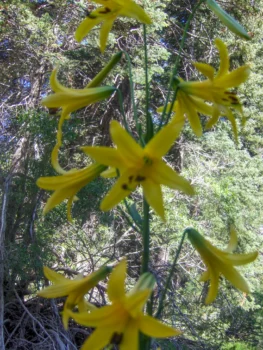
Lemon Lily: A Fragrant Native Treasure for Water-Loving Gardeners
If you’re dreaming of adding a touch of sweet fragrance and sunny color to your water garden or bog area, the lemon lily might just be your perfect match. This enchanting native perennial brings both beauty and ecological value to gardens that can meet its specific needs – though its rarity means you’ll want to source it responsibly.
Meet the Lemon Lily
The lemon lily (Lilium parryi) is a stunning native perennial that calls the wetlands of Arizona and California home. As its common name suggests, this beauty produces gorgeous yellow, trumpet-shaped flowers that release a delightful lemony fragrance, especially in the evening hours. Each bloom can reach 3-4 inches across, creating quite the showstopper when multiple flowers open on a single stem.
Where Does It Naturally Grow?
This special lily has a limited native range, growing naturally in the mountain streams, wet meadows, and boggy areas of Arizona and California. You’ll find it thriving in cool, consistently moist environments at higher elevations where water is abundant year-round.
- Species observed
- No observations
A Word About Rarity
Here’s something important every gardener should know: the lemon lily has a Global Conservation Status of S3, meaning it’s considered vulnerable in the wild. This classification indicates the species is at risk due to its limited range and relatively small population numbers. If you’re interested in growing this beauty, please only purchase from reputable nurseries that propagate their own plants rather than collecting from wild populations.
Why Grow Lemon Lily in Your Garden?
Despite its specific needs, there are compelling reasons to consider this native lily:
- Gorgeous fragrant yellow blooms that light up shady, wet areas
- Attracts butterflies, hummingbirds, and native bees
- Perfect for water gardens, bog gardens, and naturalized wet areas
- Helps support native plant conservation when responsibly grown
- Adds vertical interest and summer color to moisture-loving plant communities
Growing Conditions and Care
The lemon lily is definitely not a plant it and forget it kind of flower. This moisture-loving perennial has specific requirements that you’ll need to meet for success:
Water Requirements
As an obligate wetland plant in its native range, the lemon lily needs consistently moist to wet soil. Think bog garden conditions rather than regular garden beds. It simply won’t tolerate drought or even periods of average garden moisture.
Light and Location
Partial shade works best, especially protection from hot afternoon sun. In nature, these lilies often grow along stream banks where they receive dappled light through overhead vegetation.
Soil Needs
Rich, organic, consistently moist soil is essential. The soil should drain well enough to prevent stagnation but never dry out completely.
Climate Considerations
Hardy in USDA zones 7-9, the lemon lily appreciates cool, moist conditions and may struggle in very hot, humid climates even with adequate water.
Planting and Ongoing Care
Plant bulbs in fall, setting them about 6 inches deep in your prepared boggy area. Mulch heavily to keep roots cool and maintain soil moisture. During growing season, ensure the soil never dries out – think of it as creating a mini wetland environment.
The plant grows as a herbaceous perennial, dying back in winter and emerging fresh each spring. With proper care, established plants can reach 3-6 feet tall when in bloom.
Is Lemon Lily Right for Your Garden?
This native beauty isn’t suitable for every garden situation. Consider the lemon lily if you:
- Have a water garden, bog garden, or consistently wet area
- Can provide partial shade and cool, moist conditions
- Want to support native plant conservation
- Are looking for fragrant, summer-blooming plants for wet areas
- Can commit to maintaining consistent moisture levels
Skip this lily if your garden tends toward dry conditions or if you’re looking for low-maintenance plants that tolerate neglect.
The Bottom Line
The lemon lily is a spectacular native plant that rewards gardeners who can meet its water-loving needs. Its fragrant yellow blooms and wildlife value make it a wonderful addition to appropriate garden settings. Just remember to source your plants responsibly to help protect wild populations of this vulnerable species. When grown with care in the right conditions, this native treasure will provide years of fragrant summer beauty while supporting local ecosystems.