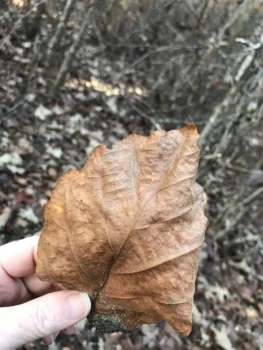
Leonard’s Witch Hazel: A Conservation Treasure Worth Protecting
If you’re drawn to rare and exceptional native plants, Leonard’s witch hazel (Hamamelis ovalis) might capture your attention. However, this isn’t your typical garden center find – it’s one of North America’s most critically endangered shrubs, making it both fascinating and challenging for home gardeners.
What Makes Leonard’s Witch Hazel Special
Leonard’s witch hazel is a perennial, multi-stemmed woody shrub that typically grows less than 13 to 16 feet in height. Like other witch hazels, it likely produces small, delicate flowers during late winter or early spring, though detailed information about its specific characteristics remains limited due to its extreme rarity.
A Plant on the Edge of Extinction
Here’s what makes this plant truly remarkable – and concerning. Leonard’s witch hazel has a Global Conservation Status of S1, which means it’s critically imperiled. With typically five or fewer occurrences and very few remaining individuals (fewer than 1,000), this species teeters on the brink of extinction.
Where Leonard’s Witch Hazel Calls Home
This native species has an incredibly restricted range, found only in Alabama and Mississippi. Its limited geographical distribution contributes significantly to its vulnerable status, making every remaining population precious for the species’ survival.
- Species observed
- No observations
Growing Conditions and Habitat
Leonard’s witch hazel has a wetland status of Facultative Upland in the Atlantic and Gulf Coastal Plain region, meaning it usually grows in non-wetland areas but may occasionally be found in wetlands. Unfortunately, specific information about its preferred growing conditions, USDA hardiness zones, and cultivation requirements remains largely unknown due to its rarity.
Should You Plant Leonard’s Witch Hazel?
The short answer is: probably not, unless you’re working with conservation professionals. Here’s why:
- Extreme rarity: With so few plants remaining in the wild, removing or propagating specimens without proper permits could harm wild populations
- Unknown cultivation needs: Limited research means we don’t fully understand how to grow this species successfully
- Legal considerations: Rare plants often have legal protections that restrict collection and cultivation
- Conservation priority: Efforts should focus on protecting existing wild populations first
Responsible Alternatives
If you’re interested in supporting native biodiversity while enjoying witch hazels in your garden, consider these alternatives:
- Common witch hazel (Hamamelis virginiana): More widely available and easier to grow
- Vernal witch hazel (Hamamelis vernalis): Another native species with better availability
- Support conservation: Donate to organizations working to protect Leonard’s witch hazel habitat
How You Can Help
While you may not be able to grow Leonard’s witch hazel in your backyard, you can still make a difference:
- Support habitat conservation efforts in Alabama and Mississippi
- Choose other native plants that provide similar ecosystem benefits
- Spread awareness about rare plant conservation
- Work with botanical gardens or conservation organizations if you’re interested in legitimate propagation efforts
The Bottom Line
Leonard’s witch hazel represents both the incredible diversity of native plants and the urgent need for conservation action. While it may not be suitable for most home gardens, learning about species like this helps us appreciate the complexity and fragility of our native ecosystems. Sometimes the best way to love a plant is to protect it in its natural habitat rather than trying to bring it home.
If you’re passionate about rare native plants, consider connecting with local native plant societies, botanical gardens, or conservation organizations. They can guide you toward appropriate ways to support conservation while finding suitable native alternatives for your garden that won’t compromise wild populations.