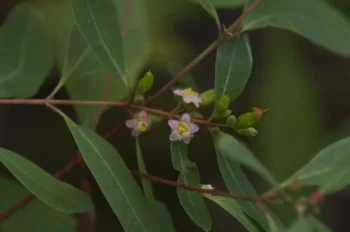
Lesser Marsh St. Johnswort: A Hidden Gem for Wetland Gardens
If you’re looking to create a native wetland garden or restore a boggy area on your property, let me introduce you to a delightful little plant that might just become your new favorite: the lesser marsh St. Johnswort (Triadenum tubulosum). This charming native perennial may not have the flashiest flowers in the plant kingdom, but what it lacks in showiness, it more than makes up for in ecological value and specialized beauty.
What Exactly Is Lesser Marsh St. Johnswort?
Lesser marsh St. Johnswort is a native perennial forb that belongs to the St. Johnswort family. You might also see it listed under its former scientific names, Hypericum tubulosum or Triadenum longifolium, but Triadenum tubulosum is the current accepted name. As a forb, it’s a non-woody plant that dies back to ground level each winter and returns from its roots each spring.
This specialized wetland plant produces small, cheerful yellow flowers with five petals during mid to late summer. While the blooms are modest in size, they have a simple, understated elegance that fits perfectly into naturalistic garden designs.
Where Does It Call Home?
Lesser marsh St. Johnswort is native to a impressive swath of the United States, naturally occurring in 19 states across the Southeast, South-Central, and parts of the Midwest. You’ll find it growing wild in Alabama, Arkansas, Florida, Georgia, Illinois, Indiana, Kentucky, Louisiana, Maryland, Mississippi, Missouri, North Carolina, Ohio, Oklahoma, South Carolina, Tennessee, Texas, Virginia, and West Virginia.
- Species observed
- No observations
This wide distribution tells us something important: this plant is adaptable across different climate zones, typically thriving in USDA hardiness zones 5 through 9.
The Wetland Specialist
Here’s where lesser marsh St. Johnswort gets really interesting – it’s what botanists call an obligate wetland plant. This fancy term simply means it almost always occurs in wetlands and requires consistently moist to wet soil conditions to thrive. Across all regions where it grows naturally, from the Atlantic and Gulf Coastal Plain to the Great Plains, this plant has the same requirement: wet feet!
This wetland dependency makes it an invaluable plant for specific gardening situations, but it also means it’s not suitable for your average perennial border.
Why Grow Lesser Marsh St. Johnswort?
You might be wondering why anyone would want to grow a plant with such specific requirements. Here are some compelling reasons:
- Ecological restoration: Perfect for restoring natural wetland areas or creating new habitat for native wildlife
- Rain gardens: Excellent choice for areas that collect runoff and stay consistently moist
- Pollinator support: The small yellow flowers attract native bees and other pollinators during their summer bloom period
- Low maintenance: Once established in the right conditions, it requires minimal care
- Native heritage: Supporting biodiversity by growing plants that co-evolved with local ecosystems
Growing Conditions and Care
If you’ve got the right spot, lesser marsh St. Johnswort is surprisingly easy to grow. Here’s what it needs:
Light Requirements: Full sun to partial shade. It’s quite flexible with light conditions as long as its moisture needs are met.
Soil and Moisture: This is the non-negotiable requirement – consistently moist to wet soil. Think bog garden, rain garden, or the edges of ponds and streams. Regular garden soil that dries out will not work for this plant.
pH Tolerance: Adaptable to various pH levels, though it typically grows in slightly acidic to neutral wetland soils.
Planting and Establishment Tips
Getting lesser marsh St. Johnswort established requires attention to its moisture needs from day one:
- Plant in spring after the last frost when soil temperatures are warming
- Choose a location that stays consistently moist or can be kept that way through irrigation
- If planting in a rain garden, position it in the lower areas where water naturally collects
- Mulch lightly around plants to help retain moisture, but avoid heavy mulch that might stay too wet
- Water regularly during the first growing season to ensure establishment
Is This Plant Right for Your Garden?
Lesser marsh St. Johnswort isn’t for every garden or every gardener, and that’s perfectly okay! This plant shines in specific situations:
Perfect for: Wetland restoration projects, rain gardens, bog gardens, pond edges, native plant gardens with consistent moisture, and areas where you want to support native pollinators and wildlife.
Not ideal for: Traditional perennial borders, xeriscapes, raised beds, or any location that experiences drought conditions.
The Bottom Line
Lesser marsh St. Johnswort may be a specialist, but specialists often make the most valuable team members. If you have a wet area that needs native plants, or you’re creating habitat for local wildlife, this humble little perennial could be exactly what you’re looking for. Its summer blooms will attract pollinators, its roots will help stabilize wet soil, and you’ll have the satisfaction of growing a plant that truly belongs in your local ecosystem.
Just remember: right plant, right place. Give lesser marsh St. Johnswort the wet conditions it craves, and it will reward you with years of reliable, low-maintenance beauty.