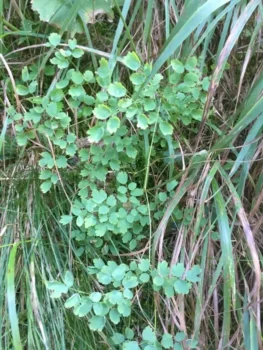
Lesser Meadow-Rue: A Delicate Native Treasure for Cool Climate Gardens
If you’re looking for a plant that whispers rather than shouts in your garden, lesser meadow-rue (Thalictrum minus) might just be your perfect match. This delicate native perennial brings an airy, almost ethereal quality to landscapes with its finely textured foliage and understated charm.
What is Lesser Meadow-Rue?
Lesser meadow-rue is a native perennial forb that calls Alaska home in North America, though it also grows throughout northern regions of Europe and Asia. As a member of the buttercup family, this plant defies expectations with its subtle beauty rather than flashy blooms. Don’t let the lesser in its name fool you – while it may be smaller than its meadow-rue cousins, it’s no less captivating in the right setting.
Where Does It Grow?
In North America, you’ll find lesser meadow-rue growing wild in Alaska, where it thrives in the cool, northern climate. Its natural range extends across the circumpolar regions, making it a true citizen of the world’s northern wilderness areas.
- Species observed
- No observations
Why Consider Growing Lesser Meadow-Rue?
This charming native offers several compelling reasons to include it in your garden:
- Delicate, compound leaves that create beautiful texture contrast
- Tiny greenish-yellow flowers that add subtle interest
- Excellent for naturalizing in woodland settings
- Attracts small pollinators like flies and diminutive bees
- Hardy in extremely cold climates (USDA zones 2-6)
- Low maintenance once established
Important Conservation Note
Before you rush to add this beauty to your shopping list, here’s something crucial to know: lesser meadow-rue has a conservation status that suggests it may be uncommon in parts of its range. If you’re considering growing this plant, please ensure you source it responsibly from reputable native plant nurseries or seed suppliers who ethically collect and propagate their stock. Never harvest from wild populations.
Growing Conditions and Care
Lesser meadow-rue is definitely a cool customer – it thrives in the kinds of conditions that make many gardeners shiver:
- Climate: Prefers cool, northern climates (zones 2-6)
- Light: Partial shade works best
- Soil: Well-draining soil with consistent moisture
- Water: Enjoys moist conditions but not waterlogged soil
This isn’t a plant for hot, humid summers or desert conditions. If you’re gardening in warmer zones, lesser meadow-rue probably isn’t the right fit for your landscape.
Garden Design Ideas
Lesser meadow-rue shines in specific garden settings where its delicate nature can be appreciated:
- Woodland gardens: Perfect for creating naturalized drifts under trees
- Rock gardens: Adds soft texture among harder landscape elements
- Native plant gardens: Essential for authentic northern ecosystems
- Shade borders: Provides delicate texture contrast with broader-leafed plants
Planting and Establishment Tips
Getting lesser meadow-rue established requires patience and the right conditions:
- Plant in early spring or fall when temperatures are cool
- Choose a location with morning sun and afternoon shade
- Ensure good drainage while maintaining soil moisture
- Be patient – establishment can be slow in less-than-ideal conditions
- Once established, the plant requires minimal care
Is Lesser Meadow-Rue Right for Your Garden?
This native beauty is ideal for gardeners in cold climates who appreciate subtle, naturalistic plantings. It’s perfect if you’re creating a native plant garden focused on northern ecosystems or if you love plants with delicate, fine-textured foliage.
However, lesser meadow-rue isn’t for everyone. Skip this plant if you’re gardening in warm climates, prefer bold, colorful flowers, or want instant impact in your landscape design.
If you can provide the cool, moist conditions this northern native craves – and source it responsibly – lesser meadow-rue will reward you with years of quiet beauty and the satisfaction of growing a true piece of wild Alaska in your own backyard.