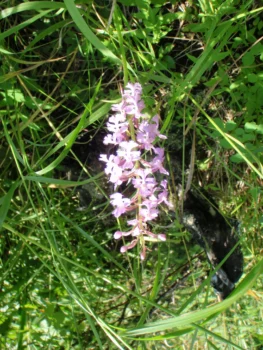
Lesser Purple Fringed Orchid: A Rare Native Beauty for Specialty Gardens
If you’re looking to add a touch of wild elegance to your garden, the lesser purple fringed orchid might just capture your heart. This stunning native wildflower, scientifically known as Platanthera psycodes, is like the delicate ballerina of the orchid world – graceful, purple, and absolutely mesmerizing when it decides to show up at the garden party.
What Makes This Orchid Special?
The lesser purple fringed orchid is a native perennial forb that belongs to the distinguished orchid family. Unlike its flashy tropical cousins, this North American native has a more understated beauty that fits perfectly into natural woodland settings. The plant produces distinctive purple flowers with delicately fringed petals that seem to dance in the slightest breeze, typically reaching heights of 1-3 feet during its summer blooming period.
Where Does It Call Home?
This orchid has quite the impressive native range across eastern North America. You can find it naturally growing from southeastern Canada down to Georgia and stretching west to Minnesota and Missouri. It’s native to an extensive list of states and provinces including Manitoba, New Brunswick, Nova Scotia, Ontario, Quebec, and numerous U.S. states from Maine to South Carolina and west to Wisconsin and Missouri.
- Species observed
- No observations
However, here’s something important to know: this beauty is becoming increasingly rare. In New Jersey, for example, it holds a rarity status of S2, meaning it’s imperiled in the state. This makes responsible sourcing absolutely crucial if you’re considering adding one to your garden.
Perfect Garden Companions and Settings
The lesser purple fringed orchid thrives in specialized garden settings rather than your typical perennial border. Think of it as the VIP guest that needs just the right accommodations:
- Woodland gardens with dappled sunlight
- Native plant gardens focused on local species
- Bog or rain gardens with consistent moisture
- Naturalized areas that mimic wild habitats
This orchid serves as a conversation starter and a beacon for serious native plant enthusiasts who appreciate rare and challenging species.
Growing Conditions: The Goldilocks Approach
Like most orchids, the lesser purple fringed orchid can be quite particular about its growing conditions. It has a facultative wetland status across multiple regions, meaning it usually prefers wetland conditions but can occasionally tolerate drier sites.
Here’s what this finicky beauty desires:
- Moisture: Consistently moist to wet soils – think bog-like conditions
- Light: Partial shade to full sun, but appreciates some protection from harsh afternoon rays
- Soil: Rich, organic, acidic soils with excellent drainage despite moisture needs
- Climate: Hardy in USDA zones 3-8, making it suitable for most northern and temperate regions
Pollinator Paradise
One of the most exciting aspects of growing this orchid is watching its relationship with pollinators unfold. The lesser purple fringed orchid has co-evolved with sphinx moths and various butterfly species, creating a magical evening show when these pollinators visit the fragrant flowers. The fringed petals aren’t just for show – they’re perfectly designed landing pads for these nighttime visitors.
The Reality Check: Growing Challenges
Let’s be honest – this isn’t a plant for beginners or anyone expecting instant gratification. Native orchids like Platanthera psycodes require specific mycorrhizal fungal relationships in the soil to survive and thrive. These partnerships can’t be easily replicated in typical garden settings, making cultivation quite challenging.
If you’re determined to try growing this orchid, here are some essential tips:
- Only purchase from reputable native plant specialists who propagate responsibly
- Never dig plants from the wild – this is both illegal and harmful to wild populations
- Prepare a specialized planting area that mimics natural bog or woodland edge conditions
- Be patient – orchids are notoriously slow to establish and may not bloom for several years
- Consider supporting wild populations through habitat conservation instead of cultivation
Should You Grow It?
The lesser purple fringed orchid is definitely not for every gardener, but if you’re passionate about native plants, conservation, and don’t mind a challenge, it could be a rewarding addition to a specialized garden. Given its rarity status, growing this orchid is almost more of a conservation effort than traditional gardening.
For most gardeners, appreciating this species in its natural habitat through botanical walks and supporting conservation efforts might be the better choice. However, if you do decide to grow it, make sure you’re sourcing plants responsibly and creating the specific conditions this rare beauty needs to thrive.
Remember, every native plant we successfully grow and every wild population we protect helps ensure that future generations will be able to experience the magic of these purple-fringed dancers swaying in summer breezes.