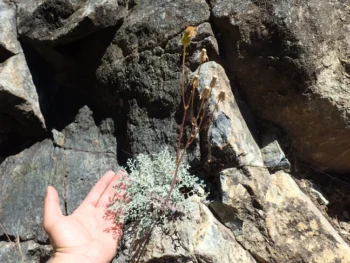
Lewis’ Groundsel: A Rare California Native Worth Protecting
Meet Lewis’ groundsel (Packera eurycephala var. lewisrosei), a little-known perennial wildflower that represents one of California’s botanical treasures. This herbaceous native might not be a household name, but it deserves recognition for its rarity and ecological importance in the Golden State’s diverse plant communities.
What Makes Lewis’ Groundsel Special
Lewis’ groundsel is a perennial forb—essentially a soft-stemmed flowering plant that comes back year after year without developing woody tissue like shrubs or trees. As a member of the sunflower family (Asteraceae), it shares lineage with daisies, asters, and other familiar garden favorites, though this particular variety has carved out its own unique niche in California’s landscape.
You might also encounter this plant in older botanical references under its former names, including Senecio eurycephalus var. lewisrosei or Senecio lewisrosei, as botanical classification has evolved over time.
Where to Find This Rare Beauty
Lewis’ groundsel calls California home and is found nowhere else in the world. This endemic status makes it particularly precious from a conservation standpoint—if we lose it in California, we lose it everywhere.
- Species observed
- No observations
A Conservation Concern
Here’s where things get serious: Lewis’ groundsel carries a Global Conservation Status of S4T2, indicating it’s considered a rare subspecific taxon that needs our attention. This rarity status means that while the plant isn’t immediately facing extinction, its limited distribution and specialized habitat requirements make it vulnerable to environmental changes, development, and other threats.
If you’re a conservation-minded gardener who wants to grow native California plants, it’s crucial to understand that this isn’t your typical garden center find—and that’s probably for the best.
Should You Grow Lewis’ Groundsel?
The short answer is: probably not, unless you’re working with conservation professionals. Here’s why:
- Its rarity means wild populations should be left undisturbed
- Seeds or plants should never be collected from wild populations
- Commercial availability is extremely limited or non-existent
- Specialized growing requirements are not well-documented
However, if you’re passionate about supporting rare California natives and have access to responsibly sourced material through botanical gardens, conservation organizations, or specialized native plant societies, Lewis’ groundsel could be a meaningful addition to a conservation-focused garden.
Supporting California’s Rare Plants
Even if you can’t grow Lewis’ groundsel in your garden, you can still support California’s rare plant conservation efforts:
- Choose other native California wildflowers and perennials for your garden
- Support organizations working to protect rare plant habitats
- Participate in citizen science projects that monitor rare plant populations
- Advocate for habitat protection in your community
Alternative California Natives to Consider
While Lewis’ groundsel might be off-limits for most home gardens, California offers plenty of other beautiful native plants that can bring similar ecological benefits to your landscape. Consider other California native perennials that support pollinators and wildlife while being more readily available through ethical sources.
Every garden can be a small sanctuary for native plants, even if it doesn’t include the rarest species. By choosing widely available natives, you’re still contributing to habitat connectivity and supporting the incredible biodiversity that makes California’s flora so special.
Remember: sometimes the best way to love a rare plant is to admire it from a distance and ensure its wild populations remain healthy for future generations to discover and appreciate.