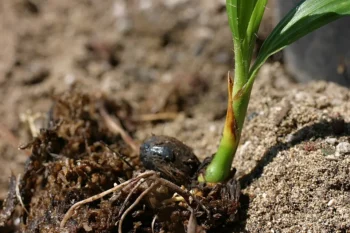
Limahuli Valley Pritchardia: A Rare Hawaiian Palm Worth Protecting
If you’re passionate about native Hawaiian plants and conservation, the Limahuli Valley pritchardia might just capture your heart. This stunning fan palm, scientifically known as Pritchardia limahuliensis, represents both the incredible beauty of Hawaii’s endemic flora and the urgent need for plant conservation in our modern world.
A True Hawaiian Native
The Limahuli Valley pritchardia is a perennial tree native exclusively to Hawaii, specifically endemic to the remote Limahuli Valley on Kauai’s dramatic Na Pali Coast. This remarkable palm grows naturally only in Hawaii, making it a true treasure of the Hawaiian Islands’ unique ecosystem.
- Species observed
- No observations
Why This Palm Deserves Serious Consideration
Here’s where things get both exciting and sobering: this gorgeous palm is critically imperiled. With a Global Conservation Status of S1, there are typically fewer than 1,000 individuals remaining in the wild. That makes every single plant incredibly precious from a conservation standpoint.
Despite its rarity—or perhaps because of it—this palm offers several compelling reasons for responsible cultivation:
- Stunning architectural beauty with large, fan-shaped leaves that create dramatic tropical appeal
- True native Hawaiian heritage that supports local ecosystem restoration
- Contribution to conservation efforts when grown from responsibly sourced material
- Unique specimen value for serious palm collectors and botanical gardens
What to Expect from This Tropical Beauty
As a tree species, the Limahuli Valley pritchardia typically grows with a single trunk reaching heights greater than 13-16 feet, though environmental conditions can sometimes result in shorter or multi-stemmed growth forms. The signature fan-shaped leaves create that classic tropical palm silhouette that instantly transports you to paradise.
This palm has a facultative wetland status, meaning it can thrive in both wetland and non-wetland conditions—pretty adaptable for such a rare species!
Growing Conditions and Care
Successfully growing this rare palm requires replicating its native Hawaiian environment:
- Climate: USDA zones 10-11 only (tropical conditions essential)
- Light: Partial shade to filtered sunlight
- Moisture: Consistent humidity and regular watering
- Protection: Shelter from strong winds
- Soil: Well-draining tropical soil mix
Outside of Hawaii, this palm would likely require greenhouse cultivation to survive, making it a challenging but rewarding project for dedicated enthusiasts.
The Conservation Imperative
Here’s the crucial point: if you’re considering growing this palm, you absolutely must source it responsibly. With so few individuals left in the wild, any cultivation should support conservation efforts, not harm them. Look for:
- Seeds or plants from established botanical gardens or conservation programs
- Verified sustainable propagation sources
- Programs that contribute back to wild population recovery
Never collect from wild populations—this could push the species closer to extinction.
Is This Palm Right for Your Garden?
The Limahuli Valley pritchardia isn’t for everyone. It requires tropical conditions, specialized care, and responsible sourcing. However, if you’re a serious native plant enthusiast, palm collector, or conservation-minded gardener in a suitable climate, growing this rare beauty could be both personally rewarding and environmentally meaningful.
Consider this palm if you have the right growing conditions and want to participate in preserving Hawaii’s irreplaceable native flora. Just remember—with great beauty comes great responsibility, especially when that beauty is critically imperiled.