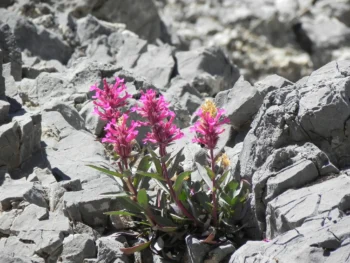
Limestone Beardtongue: A Rare California Native Worth Growing Responsibly
If you’re passionate about supporting California’s native plant heritage while creating a stunning, drought-tolerant garden, limestone beardtongue might just be the perfect addition to your landscape. This charming perennial wildflower brings both beauty and ecological value to gardens throughout its native range, though it requires a thoughtful approach to cultivation due to its conservation status.
Meet the Limestone Beardtongue
Limestone beardtongue (Penstemon calcareus) is a native California perennial that belongs to the diverse and beloved Penstemon genus. This herbaceous forb – essentially a non-woody flowering plant – has adapted beautifully to the unique conditions of California’s limestone and serpentine soils, making it a true specialist of the Golden State’s diverse ecosystems.
Where You’ll Find This Native Beauty
This special wildflower calls California home exclusively, where it naturally occurs in the Sierra Nevada foothills and surrounding regions. You’ll typically find it growing in areas with limestone or serpentine soils, where it has evolved to thrive in these challenging but mineral-rich conditions.
- Species observed
- No observations
Important Conservation Considerations
Before we dive into growing tips, it’s crucial to understand that limestone beardtongue has a conservation status of S2S3, indicating it’s considered imperiled to vulnerable in its native range. This means that while it’s absolutely worth growing to support native biodiversity, you should only plant specimens from responsibly sourced material – never collect from wild populations. Always purchase from reputable native plant nurseries that propagate their own stock.
Why Gardeners Love Limestone Beardtongue
This delightful native offers several compelling reasons to earn a spot in your garden:
- Stunning flowers: Purple to blue-violet tubular blooms arranged in eye-catching terminal clusters
- Pollinator magnet: Attracts native bees, hummingbirds, and butterflies with its nectar-rich flowers
- Drought tolerance: Once established, it requires minimal water – perfect for water-wise gardening
- Low maintenance: This hardy perennial thrives with minimal care in the right conditions
- Native heritage: Supporting local ecosystems and preserving California’s botanical legacy
Perfect Garden Settings
Limestone beardtongue shines in specific garden styles and locations:
- Rock gardens: Its compact form and soil preferences make it ideal for rocky, well-draining areas
- Native plant gardens: A natural choice for authentic California native landscapes
- Xeriscapes: Excellent for drought-tolerant, water-wise garden designs
- Mediterranean-style gardens: Complements other sun-loving, drought-adapted plants
Growing Conditions and Care
Success with limestone beardtongue comes down to mimicking its natural habitat:
Soil requirements: Well-draining, alkaline soils are essential. If possible, incorporate limestone chips or grow in naturally alkaline conditions. Avoid heavy clay or poorly draining soils at all costs.
Sun exposure: Provide full sun to partial shade, with morning sun being particularly beneficial.
Water needs: Drought tolerant once established, but provide moderate water during the first growing season. Overwatering is more harmful than underwatering for this adapted native.
Climate zones: Best suited for USDA hardiness zones 8-10, which aligns with its natural California range.
Planting and Care Tips for Success
Best planting time: Fall or early spring offers the best establishment conditions, allowing roots to develop before summer heat.
Spacing and maintenance: Give plants adequate space for air circulation, and consider light pruning after flowering to maintain shape and potentially encourage additional blooms.
Companion planting: Pair with other California natives like salvias, ceanothus, or manzanitas for a authentic native garden feel.
Supporting Conservation Through Gardening
By choosing to grow limestone beardtongue from responsibly sourced material, you’re participating in an important conservation effort. Your garden becomes a refuge for this imperiled species while providing essential habitat for the pollinators that depend on native plants. It’s a beautiful example of how gardening can be both aesthetically pleasing and ecologically meaningful.
Remember, the key to success with this special native lies in respecting its natural preferences – well-draining alkaline soil, appropriate water levels, and plenty of sunshine. With these conditions met, limestone beardtongue will reward you with years of beautiful blooms and the satisfaction of supporting California’s precious native plant heritage.