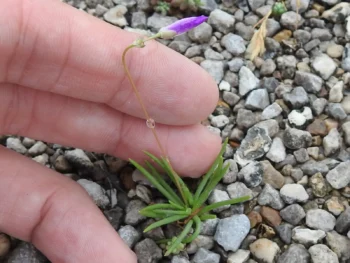
Limestone Fameflower: A Rare Native Gem for Your Rock Garden
Meet the limestone fameflower, a charming little native wildflower that’s as unique as its name suggests. This delicate perennial might not be the showiest plant in your garden, but it brings something special to the table – literally growing from limestone cracks and bringing a touch of wild beauty to challenging spots where other plants fear to tread.
What Makes Limestone Fameflower Special?
Officially known as Phemeranthus calcaricus, this petite native herb is a true Southern belle, calling the limestone regions of Alabama, Arkansas, Kentucky, Tennessee, and Texas home. Don’t let its diminutive size fool you – this little survivor has mastered the art of thriving in some pretty tough conditions.
The limestone fameflower forms attractive low rosettes of succulent-like leaves and produces delicate pink to white flowers that have a charming habit of opening in the late afternoon. It’s like nature’s way of rewarding you for your patience with an evening flower show!
- Species observed
- No observations
A Word of Caution: This Beauty is Vulnerable
Before you rush out to find limestone fameflower for your garden, here’s something important to know: this species is considered vulnerable to extinction. With a global conservation status of S3 and even rarer status in some states like Alabama, it’s crucial that we protect existing populations.
If you’re interested in growing limestone fameflower, please only source it from reputable native plant nurseries that propagate their own stock – never collect from the wild. By choosing responsibly sourced plants, you’re helping conservation efforts while adding this special native to your landscape.
Is Limestone Fameflower Right for Your Garden?
This native wildflower is perfect for gardeners who:
- Love rock gardens and xeriscaping
- Want to support native pollinators with specialized plants
- Have alkaline or limestone-heavy soil
- Appreciate subtle, naturalistic beauty over flashy displays
- Are committed to conservation gardening
However, limestone fameflower might not be your best choice if you’re looking for a bold focal point or need something for shady, moist areas. This little gem is all about understated charm in sunny, well-drained spots.
Where Does Limestone Fameflower Shine?
Think of limestone fameflower as the perfect supporting character in your garden story. It excels in:
- Rock gardens and stone walls
- Native plant gardens focused on regional species
- Drought-tolerant landscape designs
- Areas with challenging alkaline soil
- Naturalized meadow edges
Growing Conditions and Care
The good news about limestone fameflower is that once you understand its needs, it’s relatively low-maintenance. Here’s what this native beauty requires:
Sunlight: Full sun is essential – this plant loves basking in bright light all day long.
Soil: Well-draining alkaline soil is crucial. If your soil is acidic, consider adding limestone or choosing a different location. Clay soils are a no-go unless you can improve drainage significantly.
Hardiness: Suitable for USDA zones 6-9, making it adaptable to a good range of climates within its native region.
Water: Drought tolerant once established, but benefits from occasional water during extreme dry spells in the first year.
Planting and Establishment Tips
Success with limestone fameflower comes down to mimicking its natural habitat:
- Plant in spring after the last frost
- Choose the sunniest, most well-draining spot in your garden
- Amend heavy soils with coarse sand and limestone gravel
- Space plants about 6-12 inches apart
- Water sparingly – overwatering is more dangerous than drought
- Mulch lightly with gravel rather than organic matter
Supporting Pollinators and Wildlife
While limestone fameflower may be small, it plays an important role in supporting native pollinators. The afternoon blooms attract small native bees and other specialized pollinators that have co-evolved with this species. By growing it, you’re providing crucial habitat for these often-overlooked beneficial insects.
The Bottom Line
Limestone fameflower isn’t for every garden or every gardener, but for those with the right conditions and conservation mindset, it’s a wonderful way to connect with your local ecosystem. This vulnerable native deserves our protection and appreciation – and what better way to show that than by giving it a carefully tended home in your garden?
Just remember: source responsibly, plant thoughtfully, and enjoy watching this little piece of natural history thrive in your landscape. Sometimes the smallest natives make the biggest difference.