Limestone Liveforever: A Rare California Gem for Your Rock Garden
Meet limestone liveforever (Dudleya calcicola), a charming little succulent that’s as tough as its name suggests. This California native might just be the perfect addition to your drought-tolerant garden – if you can find it responsibly sourced, that is. Let’s dive into what makes this plant special and why it deserves a spot on your gardening wish list.
What Makes Limestone Liveforever Special?
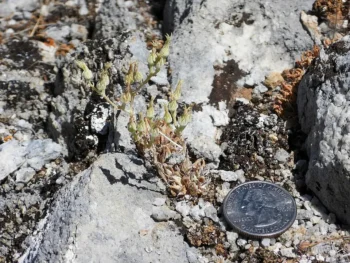
Limestone liveforever is a perennial succulent that forms attractive rosettes of thick, fleshy leaves in shades of blue-green to gray-green. Despite being classified as a forb (a non-woody herbaceous plant), it behaves much like other succulents you might know. In spring and summer, it sends up impressive flowering stalks topped with clusters of yellow to orange blooms that practically glow in the garden.
The plant gets its common name from its incredible ability to survive in harsh, limestone-rich environments where few other plants dare to grow. It’s like the ultimate survivor of the plant world!
Where Does It Come From?
This California native is endemic to the Golden State, specifically calling the limestone areas of the Sierra Nevada foothills home. You won’t find this beauty growing wild anywhere else in the world – it’s a true California original.
- Species observed
- No observations
A Word of Caution: Rarity Matters
Here’s something important every gardener should know: limestone liveforever has a Global Conservation Status of S3, meaning it’s considered vulnerable. With only 21 to 100 known occurrences and an estimated 3,000 to 10,000 individuals in the wild, this plant needs our protection.
If you want to grow limestone liveforever, please only purchase from reputable nurseries that propagate their plants responsibly rather than collecting from wild populations. Never collect this plant from the wild – it’s both harmful to the species and likely illegal.
Perfect Garden Roles
When sourced responsibly, limestone liveforever makes an excellent addition to:
- Rock gardens and crevice gardens
- Succulent collections
- Native California plant gardens
- Drought-tolerant landscapes
- Container gardens with good drainage
Its compact size and unique form make it a conversation starter that’s perfect for showcasing California’s incredible plant diversity.
Growing Conditions and Care
Think desert meets mountain when planning for this plant. Limestone liveforever thrives in USDA hardiness zones 8-10 and has some specific needs:
Soil: Well-draining, alkaline soil is essential. If your soil tends to hold water, consider raised beds or containers with excellent drainage.
Light: Full sun to partial shade works well, though it appreciates some afternoon shade in extremely hot climates.
Water: Once established, this plant is incredibly drought tolerant. Water sparingly – overwatering is more dangerous than underwatering.
Special considerations: Protect from wet winters, as soggy soil can quickly kill these plants. Good air circulation is also important.
Planting and Care Tips
- Plant in spring or fall when temperatures are moderate
- Ensure containers or planting areas have drainage holes
- Water deeply but infrequently once established
- Avoid fertilizing – these plants prefer lean conditions
- Protect from frost in marginal zones
- Remove spent flower stalks to maintain plant energy
Benefits for Pollinators and Wildlife
The bright flowers of limestone liveforever attract bees and other small pollinators, making it a valuable addition to pollinator-friendly gardens. While specific wildlife benefits aren’t extensively documented, like other Dudleya species, it likely provides some habitat value for small insects and possibly serves as a food source for certain native creatures.
The Bottom Line
Limestone liveforever is a remarkable plant that deserves our admiration and protection. If you’re passionate about California native plants and can source it responsibly, it’s absolutely worth growing. Just remember that with great beauty comes great responsibility – always choose nursery-propagated plants and never collect from wild populations.
This little survivor could be the crown jewel of your rock garden, representing both the resilience of California’s native flora and your commitment to conservation-minded gardening.