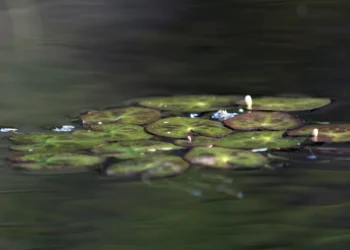
Little Floatingheart: A Charming Native Aquatic Plant for Your Water Garden
If you’re looking to add a touch of delicate beauty to your pond or water garden, little floatingheart (Nymphoides cordata) might just be the perfect native plant you’ve been searching for. This charming aquatic perennial brings both aesthetic appeal and ecological value to water features, making it a wonderful choice for gardeners who want to create natural-looking aquatic environments.
What is Little Floatingheart?
Little floatingheart is a native North American aquatic plant that belongs to the floating-leaved category of water plants. As a perennial forb, it lacks significant woody tissue and produces its beautiful flowers year after year. The plant gets its common name from its distinctive heart-shaped leaves that float gracefully on the water’s surface, creating a lovely carpet-like effect.
You might also encounter this plant listed under its botanical synonyms, including Nymphoides lacunosa or Villarsia lacunosa, though Nymphoides cordata remains the accepted scientific name.
Where Does Little Floatingheart Grow Naturally?
This native beauty has quite an impressive natural range across eastern North America. You’ll find little floatingheart growing naturally from southeastern Canada down through the eastern United States. Its native range includes states from Maine down to Florida and west to Louisiana, with populations also found in several Canadian provinces including New Brunswick, Nova Scotia, Ontario, Quebec, and Newfoundland.
Interestingly, the plant has also been introduced to some Pacific Basin locations, where it grows successfully but isn’t considered native.
- Species observed
- No observations
A Note About Conservation Status
Before you rush out to add little floatingheart to your water garden, it’s important to know that this plant has a special conservation status in some areas. In New Jersey, for example, it’s listed as S3 (vulnerable) and has special protection status in the Pinelands and Highlands regions. This means that while you can grow it in your garden, you should always source your plants from reputable nurseries that sell responsibly propagated specimens rather than wild-collected plants.
The Beauty Factor: What Makes Little Floatingheart Special
Little floatingheart is absolutely enchanting when it blooms in summer. The plant produces delicate white flowers with five petals that have distinctively fringed edges, giving them an almost lacy appearance. These charming blooms rise above the water surface on slender stems, creating a magical effect that’s sure to delight visitors to your garden.
The heart-shaped floating leaves are equally attractive, providing excellent surface coverage and creating habitat for aquatic wildlife. The overall effect is both natural and refined, making it perfect for gardeners who want their water features to look like they belong in the landscape.
Perfect Garden Settings for Little Floatingheart
This versatile native plant thrives in several types of water garden settings:
- Natural ponds and water gardens
- Bog gardens and wetland areas
- Native plant gardens with water features
- Restoration projects for natural wetlands
- Rain gardens with standing water
Little floatingheart works beautifully as a naturalizing plant, spreading gently to create colonies that look completely at home in the landscape. It’s particularly valuable for gardeners who want to create wildlife habitat while maintaining an attractive, low-maintenance water feature.
Growing Conditions and Care
The good news is that little floatingheart is relatively easy to grow once you understand its basic needs. As an obligate wetland plant, it requires consistently wet conditions and won’t tolerate dry soil.
Light Requirements: Full sun to partial shade (at least 4-6 hours of direct sunlight for best flowering)
Water Depth: Shallow water from 6 inches to 3 feet deep
Substrate: Muddy or sandy bottom substrates work best
Water Movement: Prefers still to slow-moving water
Hardiness: Grows successfully in USDA zones 4-9
Planting and Maintenance Tips
Getting started with little floatingheart is straightforward:
- Plant rhizomes in spring when water temperatures warm up
- Place plants in shallow areas of your pond or water garden
- Allow the plant to spread naturally via underground runners
- Expect minimal maintenance once established
- In colder zones, the plant may go dormant in winter but will return in spring
One of the best things about little floatingheart is that it’s essentially self-maintaining once established. The plant spreads at a moderate rate, filling in areas naturally without becoming aggressive or overwhelming other plants.
Wildlife and Pollinator Benefits
Beyond its obvious beauty, little floatingheart provides valuable ecological benefits. The flowers attract small native bees, flies, and other beneficial insects that are important for pollinating other plants in your garden. The floating leaves provide cover and habitat for aquatic insects, small fish, and amphibians, while also helping to oxygenate the water and reduce algae growth by providing shade.
Is Little Floatingheart Right for Your Garden?
Little floatingheart is an excellent choice for gardeners who:
- Have a pond, water garden, or consistently wet area
- Want to support native plants and wildlife
- Appreciate delicate, natural-looking flowers
- Prefer low-maintenance plants
- Are interested in wetland restoration or rain garden projects
However, this plant isn’t suitable if you don’t have a permanent water feature or wet area in your garden, as it absolutely requires aquatic conditions to survive.
With its charming flowers, attractive foliage, and valuable wildlife benefits, little floatingheart makes a wonderful addition to water gardens throughout its native range. Just remember to source your plants responsibly, and you’ll be rewarded with years of delicate beauty floating peacefully in your aquatic landscape.