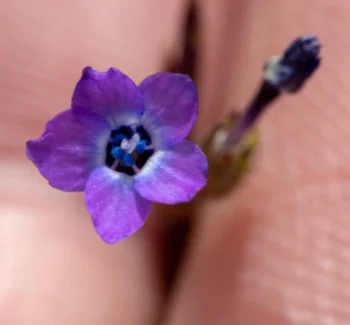
Little Gilia: A Charming Native Annual for Southwestern Gardens
If you’re looking to add some delicate charm to your native garden, little gilia might just be the perfect choice. This petite annual wildflower brings understated beauty and ecological value to desert and dryland gardens across the Southwest.
What is Little Gilia?
Little gilia (Gilia minor) is a native annual forb that calls the American Southwest home. As a forb, it’s an herbaceous flowering plant without woody stems – think of it as nature’s way of creating a delicate, temporary garden accent that returns each year through self-seeding.
This charming little plant is native to Arizona, California, and Nevada, where it has adapted perfectly to the region’s arid conditions and seasonal rainfall patterns.
- Species observed
- No observations
Why Grow Little Gilia?
There are several compelling reasons to include little gilia in your native garden:
- True native credentials: It’s genuinely native to the southwestern United States
- Low maintenance: Once established, it requires minimal care and water
- Pollinator magnet: The small, delicate flowers attract native bees and other beneficial insects
- Self-sustaining: As an annual, it readily self-seeds for next year’s display
- Desert-adapted: Perfect for water-wise gardening and xeriscaping
Garden Design and Landscape Role
Little gilia works beautifully in several garden settings:
- Desert gardens: Complements other drought-tolerant natives
- Rock gardens: Softens harsh edges with delicate blooms
- Wildflower meadows: Adds fine texture among larger wildflowers
- Native plant gardens: Represents authentic regional flora
Its modest size makes it ideal for filling gaps between larger perennials or creating drifts of color in naturalized areas.
Growing Conditions and Care
Little gilia thrives in conditions that mirror its native habitat:
- Sunlight: Full sun exposure
- Soil: Well-draining, sandy or rocky soils
- Water: Drought tolerant once established; minimal supplemental watering needed
- USDA Zones: Best suited for zones 8-10
Planting and Care Tips
Growing little gilia successfully is refreshingly straightforward:
- Timing: Direct seed in fall to allow natural winter stratification
- Soil prep: Ensure excellent drainage – soggy soil is this plant’s enemy
- Watering: Water lightly until germination, then reduce as plants establish
- Maintenance: Minimal care needed; allow plants to set seed for next year
- Fertilization: Avoid fertilizing – these plants prefer lean soils
A Note on Conservation
Little gilia has a conservation status that’s currently undefined, which means its population status needs more study. If you choose to grow this lovely native, please source seeds or plants from reputable native plant nurseries that practice responsible collection methods. This helps ensure wild populations remain healthy while you enjoy this charming plant in your garden.
Wildlife and Pollinator Benefits
While small in stature, little gilia punches above its weight when it comes to supporting local ecosystems. Its delicate flowers provide nectar and pollen for native bees, butterflies, and other small pollinators. The seeds may also provide food for small birds and other wildlife.
The Bottom Line
Little gilia is an excellent choice for gardeners who want to support native ecosystems while enjoying a low-maintenance, drought-tolerant annual. Its delicate beauty and ecological benefits make it a worthy addition to southwestern native gardens. Just remember to source it responsibly and let it self-seed naturally – you’ll be rewarded with years of subtle, sustainable beauty.