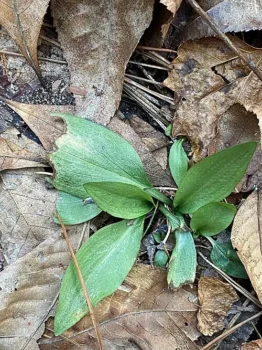
Little Lady’s Tresses: A Charming Native Orchid for Your Garden
If you’re looking to add a touch of delicate elegance to your native plant garden, little lady’s tresses (Spiranthes tuberosa) might just be the perfect choice. This unassuming perennial orchid brings late-season charm with its spiral spikes of tiny white flowers that seem to dance in the autumn breeze.
What Is Little Lady’s Tresses?
Little lady’s tresses is a native North American orchid that belongs to a group of plants known as forbs – essentially, flowering plants without woody stems. Don’t let the word orchid intimidate you; this isn’t your typical hothouse orchid! This hardy perennial is perfectly adapted to outdoor growing conditions and is much more resilient than its exotic cousins.
You might also encounter this plant listed under its botanical synonyms, including Spiranthes grayi, but rest assured – they’re all referring to the same charming species.
Where Does It Grow Naturally?
Little lady’s tresses has an impressive native range across the lower 48 states, calling home to nearly 30 states from coast to coast. You’ll find it naturally growing from Massachusetts down to Florida, west through Texas, and up into the Midwest states like Illinois and Michigan. This wide distribution tells us it’s quite adaptable to different growing conditions!
- Species observed
- No observations
A Word About Rarity
Before you start planning where to plant little lady’s tresses, there’s something important to know: this species has special conservation status in some areas. In New Jersey, for example, it’s listed as a species of concern in the Pinelands and Highlands regions. If you’re interested in growing this beauty, make sure you source your plants or seeds from reputable native plant nurseries that practice responsible propagation – never collect from wild populations!
Why Grow Little Lady’s Tresses?
Here are some compelling reasons to consider adding this native orchid to your landscape:
- Late-season blooms: When most flowers are fading, little lady’s tresses puts on its show from late summer into fall
- Pollinator magnet: The small white flowers attract native bees, butterflies, and other beneficial insects
- Low maintenance: Once established, it requires minimal care
- Drought tolerant: Perfect for water-wise gardening
- Native heritage: Supports local ecosystems and wildlife
Perfect Garden Settings
Little lady’s tresses shines in several garden styles:
- Native plant gardens and naturalistic landscapes
- Prairie and wildflower meadows
- Rock gardens with well-drained soil
- Cottage gardens for a wild, informal look
It works beautifully as an accent plant rather than a focal point, weaving its subtle charm throughout your plantings.
Growing Conditions and Care
The good news is that little lady’s tresses isn’t particularly fussy about its growing conditions. Here’s what it prefers:
- Sunlight: Full sun to partial shade
- Soil: Well-drained soils; sandy or loamy textures work best
- Water: Drought tolerant once established; avoid overwatering
- Hardiness: Thrives in USDA zones 3-9
Interestingly, the wetland status varies by region – while it’s considered an upland plant in most areas (meaning it prefers drier conditions), in coastal regions it can tolerate some moisture.
Planting and Care Tips
Growing little lady’s tresses successfully requires a gentle touch:
- Start with responsibly sourced plants or seeds from native plant nurseries
- Plant in spring after the last frost
- Ensure excellent drainage – soggy soil is this orchid’s enemy
- Water sparingly once established
- Avoid fertilizers, which can actually harm native orchids
- Be patient – it may take a year or two to become fully established
The Bottom Line
Little lady’s tresses offers gardeners a unique opportunity to grow a native orchid that’s both beautiful and beneficial to local ecosystems. While it may not provide the bold, showy impact of some garden favorites, its delicate spiral flowers and late-season blooming period make it a valuable addition to any native plant enthusiast’s collection. Just remember to source it responsibly and give it the well-drained conditions it craves. With minimal care and a little patience, you’ll be rewarded with years of subtle autumn beauty that supports local pollinators too!