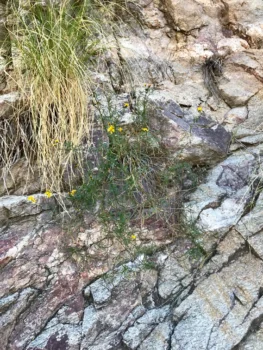
Little Lemonhead: A Rare Arizona Native Worth Knowing About
If you’ve stumbled across the name little lemonhead in your native plant research, you’ve discovered one of the more elusive members of Arizona’s flora. This charming common name belongs to Coreocarpus arizonicus, a perennial forb that calls the Grand Canyon State home.
What Makes Little Lemonhead Special
Little lemonhead is a native perennial herb that grows as a forb—meaning it’s a non-woody vascular plant that lacks the thick, woody stems you’d find on shrubs or trees. Like many forbs, it likely dies back to ground level each year, with its perennating buds safely tucked at or below the soil surface, ready to emerge when conditions are right.
Where You’ll Find This Arizona Native
This plant is exclusively native to Arizona, making it a true regional specialty. As a native species of the lower 48 states, little lemonhead has adapted specifically to the unique conditions found within Arizona’s diverse landscapes.
- Species observed
- No observations
A Word of Caution: Rarity Matters
Here’s where things get important for responsible gardeners. Little lemonhead carries a Global Conservation Status of S3S4, which indicates this plant has some level of conservation concern. This rarity status means we need to be extra thoughtful about how we approach growing this species.
If you’re considering adding little lemonhead to your garden, please keep these guidelines in mind:
- Only source plants from reputable native plant nurseries that use ethical collection practices
- Never collect seeds or plants from wild populations
- Consider whether your garden can truly replicate the plant’s natural habitat needs
- Verify plant identification with local botanical experts before purchasing
The Challenge of Growing Little Lemonhead
Unfortunately, detailed growing information for Coreocarpus arizonicus is quite limited, which reflects just how rare and specialized this plant truly is. This lack of readily available cultivation information suggests that little lemonhead may be:
- Extremely habitat-specific in its requirements
- Challenging to grow outside its natural range
- Better left to conservation efforts and specialized botanical gardens
Alternative Approaches for Arizona Gardeners
Given the rarity and limited growing information for little lemonhead, Arizona gardeners passionate about native plants might consider focusing on other native Arizona forbs that are:
- More readily available from nurseries
- Better documented for home cultivation
- Less conservation-sensitive
Your local native plant society or extension office can provide excellent recommendations for Arizona native perennials that will thrive in home gardens while supporting local wildlife.
Supporting Conservation
Sometimes the best way to appreciate a rare native plant like little lemonhead is to support its conservation in the wild rather than attempting to grow it at home. Consider:
- Donating to organizations working on Arizona native plant conservation
- Participating in native plant society activities
- Learning more about Arizona’s unique flora through guided botanical walks
- Advocating for habitat protection in your community
While little lemonhead remains something of a botanical mystery, its very existence reminds us of the incredible diversity and specialization found in Arizona’s native plant communities. Sometimes the most responsible approach is simply knowing these rare treasures exist and working to protect the wild spaces where they continue to thrive.