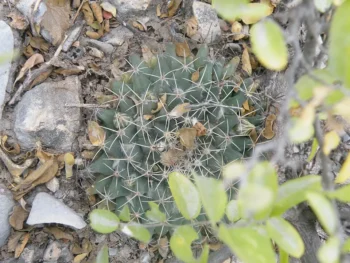
Little Nipple Cactus: A Charming Native for Low-Maintenance Gardens
If you’re looking for a petite, low-maintenance native plant that packs a punch of desert charm, meet the little nipple cactus (Mammillaria meiacantha). Don’t let the quirky name fool you – this delightful little cactus is a serious contender for anyone wanting to add authentic southwestern character to their garden without the fuss of high-maintenance plants.
What Makes Little Nipple Cactus Special?
This perennial cactus is a true native of the American Southwest, naturally growing across Arizona, New Mexico, and Texas. As a genuine native species, it’s perfectly adapted to our region’s challenging conditions and provides authentic habitat value that non-native plants simply can’t match.
The little nipple cactus gets its name from its distinctive tubercles (those little bumps) that are arranged in attractive spiral patterns around its compact, globe-shaped body. In spring, it rewards patient gardeners with stunning pink to magenta flowers that seem almost too large and vibrant for such a small plant.
- Species observed
- No observations
Why Choose Little Nipple Cactus for Your Garden?
There are plenty of compelling reasons to give this native charmer a spot in your landscape:
- Authentically native: Supporting local ecosystems while creating beautiful gardens
- Ultra low-maintenance: Perfect for busy gardeners or those new to desert plants
- Compact size: Great for small spaces, containers, or as accent plants
- Drought champion: Thrives with minimal water once established
- Pollinator friendly: Those gorgeous flowers attract native bees and other beneficial insects
- Year-round interest: Maintains attractive form even when not blooming
Perfect Garden Roles
The little nipple cactus shines in several garden settings:
- Rock gardens: Its compact size and interesting form make it a natural for rocky landscapes
- Container gardens: Excellent for pots on patios, decks, or as indoor plants near sunny windows
- Xeriscape designs: A perfect component of water-wise landscaping
- Desert gardens: Provides authentic southwestern character alongside other native plants
- Accent planting: Use as focal points or to add texture contrast in mixed plantings
Growing Conditions and Care
One of the best things about little nipple cactus is how easy it is to keep happy. Here’s what it needs:
Sunlight: Loves full sun but can tolerate some afternoon shade, especially in the hottest climates.
Soil: The golden rule is drainage, drainage, drainage! Sandy or rocky soil works best. If your soil holds water, consider raised beds or containers.
Water: Less is definitely more. Water sparingly during the growing season and barely at all in winter.
Climate: Hardy in USDA zones 8-11, but may need protection from hard freezes.
Planting and Care Tips
When to plant: Spring is ideal, giving the plant time to establish before winter.
Planting: Dig a hole slightly larger than the root ball and backfill with well-draining soil. Plant at the same depth it was growing in its container.
Watering: Water deeply but infrequently. Allow soil to dry completely between waterings. In winter, water only if the plant shows signs of shriveling.
Fertilizing: Generally unnecessary. These plants are adapted to poor soils and too much fertilizer can actually harm them.
Winter care: In marginal zones, protect from frost with frost cloth or move containers to protected areas.
A Note About Sourcing
When purchasing little nipple cactus, make sure you’re buying from reputable nurseries that sell nursery-propagated plants rather than wild-collected specimens. This ensures you’re supporting sustainable practices while getting a plant that’s more likely to thrive in cultivation.
Is Little Nipple Cactus Right for You?
This native gem is perfect for gardeners who want authentic southwestern beauty without the high maintenance. It’s ideal for water-conscious gardeners, those with challenging growing conditions, or anyone who appreciates the unique beauty of our native desert plants. Just remember – if you can kill a cactus, you’re probably trying too hard! Sometimes the best care is simply leaving them alone to do what they do best.
Whether you’re creating a full xeriscape garden or just want to add a touch of desert charm to your landscape, the little nipple cactus delivers big personality in a small, easy-care package.