Little River Canyon Onion: A Rare Gem Worth Protecting in Your Native Garden
If you’re drawn to unique native plants with a story to tell, the Little River Canyon onion (Allium speculae) might just capture your heart. This rare perennial bulb is one of nature’s hidden treasures, found only in a small corner of the southeastern United States. But before you start planning where to plant it, there’s something important you need to know about this special little onion.
A Plant on the Edge: Understanding Its Rarity
Here’s the thing about Little River Canyon onion – it’s what botanists call imperiled. With a Global Conservation Status of S2, this means there are only about 6 to 20 known populations left in the wild, with roughly 1,000 to 3,000 individual plants total. That’s not many when you think about it! This rarity makes it both fascinating and requiring our special care and attention.
If you’re considering growing this plant, please only source it from reputable native plant nurseries that propagate it responsibly – never collect from wild populations.
Where in the World: Native Range and Distribution
Little River Canyon onion calls the southeastern United States home, specifically Alabama, Georgia, and North Carolina. True to its common name, it’s particularly associated with the dramatic sandstone bluffs and canyon areas of Little River Canyon in Alabama. These plants have adapted to very specific growing conditions found in these rocky, well-drained environments.
- Species observed
- No observations
What Makes It Special: Appearance and Appeal
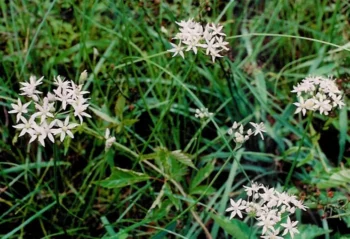
Don’t expect a showy garden star with this one – Little River Canyon onion is more about subtle beauty and botanical interest. As a member of the onion family, it produces:
- Grass-like, slender foliage that emerges from small bulbs
- Delicate clusters of small white to pinkish flowers
- A low-growing, clumping habit typical of native alliums
- The characteristic onion scent when leaves are bruised
This perennial forb (that’s botanist-speak for a non-woody herbaceous plant) grows as a small, unassuming clump that fits perfectly into specialized garden settings.
Garden Role and Best Uses
Little River Canyon onion isn’t your typical border plant – it’s more of a specialized gem for specific garden situations:
- Rock gardens: Perfect for crevices and well-drained rocky areas
- Native plant collections: A conversation starter for serious native plant enthusiasts
- Conservation gardens: Ideal for gardeners focused on preserving rare species
- Specialized wildflower areas: Best in naturalistic settings that mimic its native habitat
Growing Conditions: Mimicking Its Mountain Home
Success with Little River Canyon onion comes down to understanding what it needs – and it’s pretty specific about its requirements:
- Drainage: Excellent drainage is absolutely critical – think rocky, sandy soils
- Light: Partial shade to full sun, depending on your climate
- Soil: Well-drained, preferably sandy or rocky soil that mimics its native sandstone habitat
- Water: Drought tolerant once established, but appreciates some moisture during growing season
- USDA Zones: Likely hardy in zones 6-8, based on its native range
Planting and Care Tips
If you’re lucky enough to source some responsibly propagated Little River Canyon onion, here’s how to give it the best start:
- Plant bulbs in fall, just like other alliums
- Ensure perfect drainage – consider raised beds or rock gardens
- Mulch lightly with gravel or small stones rather than organic mulch
- Allow foliage to die back naturally to feed the bulb
- Be patient – rare plants often grow slowly
- Protect from excessive winter moisture
Benefits to Wildlife and Pollinators
While small, the flowers of Little River Canyon onion do their part in supporting local ecosystems. The blooms attract small native bees and other pollinators, contributing to the web of native plant-pollinator relationships that make our gardens come alive.
The Bottom Line: Should You Grow It?
Little River Canyon onion is definitely not for every gardener or every garden. It requires specific conditions, can be challenging to source responsibly, and won’t give you the big floral impact of showier plants. However, if you’re passionate about native plants, interested in conservation, and have the right growing conditions, it can be a meaningful addition to your garden.
The key is approaching it with respect for its rarity and a commitment to responsible gardening practices. By growing this imperiled species in our gardens, we become part of its conservation story – but only when we do it right.
Remember: never collect from wild populations, always source from reputable nurseries, and consider this plant a special trust rather than just another garden addition. Sometimes the smallest plants carry the biggest responsibilities.