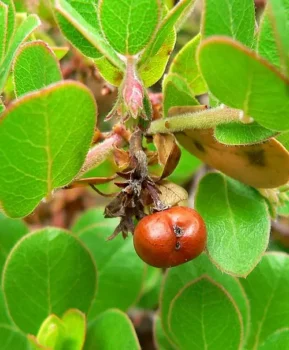
Little Sur Manzanita: A Rare Coastal Gem Worth Protecting
Meet the Little Sur manzanita (Arctostaphylos edmundsii), a charming coastal shrub that’s as rare as it is beautiful. This California native is a true treasure of the Big Sur coastline, but its scarcity makes it a plant that deserves both our admiration and our careful stewardship.
A California Coastal Exclusive
Little Sur manzanita calls the coastal regions of California home, specifically thriving in Monterey County near the famous Big Sur area. This perennial shrub has carved out its niche in one of the most scenic—and challenging—environments along the Pacific coast.
- Species observed
- No observations
Important Conservation Note
Before we dive into growing this beauty, there’s something crucial you need to know: Little Sur manzanita has a Global Conservation Status of S2, meaning it’s imperiled with typically only 6 to 20 occurrences and fewer than 3,000 individuals remaining in the wild. If you’re considering adding this plant to your garden, please ensure you source it only from reputable native plant nurseries that propagate from legally and ethically obtained material—never collect from wild populations.
Why Garden with Little Sur Manzanita?
Despite its rarity (or perhaps because of it), there are compelling reasons to include this manzanita in your coastal garden:
- Stunning year-round beauty: Small, leathery oval leaves provide evergreen structure, while clusters of delicate pink or white urn-shaped flowers bloom in winter and spring
- Wildlife magnet: The flowers attract native bees and other important pollinators, while the red berries feed local birds
- Low-maintenance champion: Once established, it’s incredibly drought-tolerant and requires minimal care
- Erosion fighter: Its spreading growth habit makes it excellent for slope stabilization
- Conservation hero: Growing rare natives in gardens helps preserve genetic diversity and supports conservation efforts
Garden Design and Landscape Role
Little Sur manzanita shines as a groundcover or low shrub in coastal and drought-tolerant landscapes. This multi-stemmed woody plant typically stays under 4-5 feet tall, making it perfect for:
- Native plant gardens that celebrate California’s natural heritage
- Coastal gardens where salt tolerance is essential
- Drought-tolerant landscapes that need year-round interest
- Habitat restoration projects in appropriate regions
- Slope stabilization where erosion is a concern
Growing Conditions and Care
Little Sur manzanita is surprisingly easy to grow if you can replicate its natural coastal conditions:
Climate: Hardy in USDA zones 8-10, this plant thrives in mild coastal climates with cool, wet winters and dry summers.
Sunlight: Provide full sun to partial shade. In hotter inland areas, some afternoon shade can be beneficial.
Soil: The absolute key to success is excellent drainage. This manzanita cannot tolerate wet feet and will quickly succumb to root rot in heavy or poorly draining soils. Sandy or rocky soils work best.
Water: Once established, this drought-tolerant native actually prefers to stay dry during summer months. Avoid irrigation during the hot season, as summer water can be fatal to many manzanitas.
Planting and Care Tips
- Plant timing: Fall planting gives the best establishment before the first dry season
- Soil preparation: If your soil doesn’t drain well, consider raised beds or slopes, or amend heavily with sand and gravel
- Establishment watering: Water regularly the first year, then taper off significantly
- Pruning: Minimal pruning needed; remove dead or damaged branches in late winter
- Fertilizing: None needed—these plants are adapted to nutrient-poor soils
A Plant Worth Protecting
Growing Little Sur manzanita isn’t just about adding another beautiful plant to your garden—it’s about participating in conservation. By choosing to grow this imperiled species responsibly, you’re helping ensure that future generations can enjoy its delicate flowers, attractive berries, and the wildlife it supports. Just remember: always source from ethical suppliers, never dig from wild populations, and consider sharing seeds or cuttings with other conservation-minded gardeners to help spread this botanical treasure.
In the right coastal garden with well-draining soil and minimal summer water, Little Sur manzanita will reward you with years of low-maintenance beauty while supporting local pollinators and wildlife. It’s a small but meaningful way to help preserve California’s irreplaceable native plant heritage.