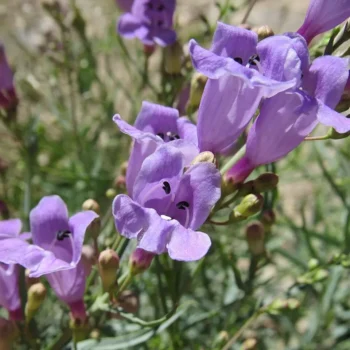
Littlecup Beardtongue: A Rare Utah Native Worth Preserving
Meet the littlecup beardtongue (Penstemon sepalulus), a charming yet elusive native wildflower that calls Utah home. This perennial herb might not be the showiest plant in your garden center, but it represents something special – a piece of Utah’s unique botanical heritage that deserves our attention and protection.
What Makes Littlecup Beardtongue Special?
Littlecup beardtongue belongs to the beloved Penstemon family, known for their trumpet-shaped flowers that pollinators absolutely adore. As a native forb (that’s gardener-speak for a non-woody flowering plant), this perennial has adapted perfectly to Utah’s unique growing conditions over thousands of years.
What sets this particular beardtongue apart is its rarity. With a Global Conservation Status of S2S3, littlecup beardtongue is considered uncommon to rare across its range. This means it’s not something you’ll stumble upon in every meadow or find at your local nursery.
Where Does It Grow?
Currently, Penstemon sepalulus is documented as native only to Utah, making it a true regional treasure. This limited distribution adds to both its conservation value and its appeal for gardeners who want to grow something truly special and locally authentic.
- Species observed
- No observations
Should You Grow Littlecup Beardtongue?
Here’s where things get interesting – and important. Because of its rarity status, littlecup beardtongue deserves careful consideration. If you’re passionate about native plant conservation and Utah’s botanical heritage, this could be a meaningful addition to your garden. However, there are some crucial guidelines to follow:
- Only obtain plants or seeds from reputable native plant nurseries
- Never collect from wild populations
- Ensure any material is ethically and legally sourced
- Consider this plant as part of a conservation effort, not just decoration
Growing Challenges and Considerations
Here’s the honest truth: specific growing information for Penstemon sepalulus is quite limited in available resources. This reflects both its rarity and the specialized knowledge needed to cultivate it successfully. Like other penstemons, it likely prefers well-draining soil and can handle Utah’s challenging climate conditions, but without detailed cultivation studies, growing this species requires some educated guesswork and patience.
The Bigger Picture
While we can’t provide a detailed growing guide for littlecup beardtongue (the information simply isn’t readily available), we can appreciate what it represents. This little-known native reminds us that Utah’s landscapes harbor botanical treasures that many people never get to see or know about.
If you’re interested in supporting Utah’s native plant diversity but want something easier to grow and more readily available, consider these other beautiful Utah native penstemons that are better documented and more widely cultivated:
- Palmer’s penstemon (Penstemon palmeri)
- Firecracker penstemon (Penstemon eatonii)
- Rocky Mountain penstemon (Penstemon strictus)
A Plant Worth Knowing
Littlecup beardtongue may be one of Utah’s botanical secrets, but that’s exactly what makes it worth talking about. Whether you ever get the chance to grow it or simply encounter it in the wild, knowing about Penstemon sepalulus connects us to the incredible diversity of life that calls Utah home.
Sometimes the most important plants aren’t the ones that make the biggest splash in our gardens – they’re the quiet natives that remind us of the wild landscapes we’re lucky to call home.