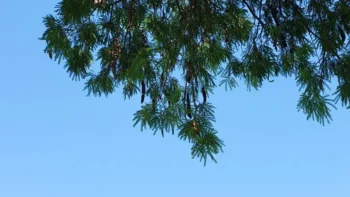
Littleleaf False Tamarind: A Desert Gem for Water-Wise Gardens
If you’re looking for a charming, low-maintenance shrub that thrives in hot, dry conditions, meet the littleleaf false tamarind (Lysiloma watsonii). This delightful native plant might not be the showiest shrub on the block, but it’s got personality in spades and some serious desert street cred.
What Is Littleleaf False Tamarind?
Littleleaf false tamarind is a perennial shrub that’s perfectly adapted to life in the American Southwest. Despite its false tamarind name, this plant is authentically itself – a member of the legume family with delicate, compound leaves that give it a feathery, almost ethereal appearance.
This multi-stemmed woody plant typically grows to about 13-16 feet in height, though it can sometimes stretch taller or remain more compact depending on growing conditions. It’s also known by its botanical synonyms Lysiloma thornberi and Lysiloma microphyllum var. thornberi, in case you encounter it under different names.
Where Does It Call Home?
Littleleaf false tamarind is a true Arizona native, naturally occurring in the Sonoran Desert region. This plant species is native to the lower 48 states, specifically thriving in Arizona’s desert landscapes where it has evolved to handle intense heat and minimal rainfall.
- Species observed
- No observations
Why Consider Planting Littleleaf False Tamarind?
Here’s where this unassuming shrub really shines:
- Drought Champion: Once established, this plant laughs in the face of water restrictions
- Pollinator Magnet: Its clusters of fluffy, cream-colored flowers attract bees, butterflies, and other desert pollinators
- Low Maintenance: Perfect for gardeners who want beauty without the fuss
- Native Authenticity: Supporting local ecosystems never goes out of style
- Unique Texture: Those tiny compound leaves add a soft, fine-textured element to desert landscapes
Perfect Garden Situations
Littleleaf false tamarind is tailor-made for:
- Xeriscaping and water-wise gardens
- Native plant landscapes
- Desert-themed gardens
- Specimen planting where you want something unique but not overwhelming
- Mixed shrub borders in appropriate climates
Growing Conditions and Care
This desert dweller has some specific preferences, but they’re pretty reasonable:
Sunlight: Full sun is essential – this plant wants all the sunshine you can give it
Soil: Well-draining soil is absolutely crucial. Clay or constantly moist soil will spell trouble for this desert native
Water: As a facultative upland plant, littleleaf false tamarind usually occurs in non-wetland areas but can occasionally handle some moisture. Once established, it’s remarkably drought tolerant
Climate: Hardy in USDA zones 9-11, this plant is definitely not suited for cold climates
Planting and Care Tips
Getting your littleleaf false tamarind off to a good start isn’t complicated:
- Timing: Plant in fall or early spring when temperatures are more moderate
- Spacing: Give it room to spread – these shrubs can get fairly wide
- Initial watering: Water regularly the first year to help establish roots
- Ongoing care: Once established, water deeply but infrequently
- Pruning: Minimal pruning needed – just remove dead or damaged branches
- Fertilizing: Generally unnecessary in native soil conditions
A Word About Responsible Sourcing
While littleleaf false tamarind isn’t listed as rare or endangered, its conservation status is somewhat unclear. When purchasing this plant, make sure you’re buying from reputable native plant nurseries that source their material responsibly rather than collecting from wild populations.
The Bottom Line
Littleleaf false tamarind might not be the flashiest plant in the desert garden, but it’s a reliable, beautiful, and ecologically valuable addition to southwestern landscapes. If you live in the right climate zone and want to embrace water-wise gardening with native plants, this charming shrub deserves serious consideration.
Just remember – this is definitely a warm-climate plant, so if you’re gardening anywhere that sees regular frost, you’ll want to admire this one from afar and choose cold-hardy natives instead.