The Llume Palm: A Rare Treasure Worth Protecting in Your Tropical Garden
Meet the llume (Gaussia attenuata), one of Puerto Rico’s most elegant and endangered palm species. This graceful tree represents both the beauty of tropical gardening and the critical importance of plant conservation. If you’re lucky enough to live in a tropical climate and are passionate about preserving rare species, the llume might just be the perfect addition to your garden—with some important caveats.
What Makes the Llume Special
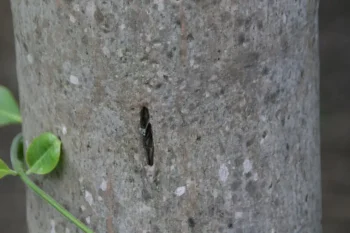
The llume is a stunning perennial tree that naturally grows as a single-stemmed palm, typically reaching heights of 13 to 16 feet or more. With its smooth, gray trunk and elegant feather-like fronds that form a graceful canopy, this palm brings an unmistakable tropical sophistication to any landscape. Its slender profile makes it particularly striking as a specimen plant or when grouped with other tropical species.
A Puerto Rican Native in Crisis
This remarkable palm is endemic to Puerto Rico, where it naturally occurs in the island’s mountainous regions. Unfortunately, the llume faces a precarious future in the wild.
- Species observed
- No observations
Conservation Alert: The llume has a Global Conservation Status of S2, meaning it’s imperiled due to extreme rarity. With typically only 6 to 20 occurrences remaining and an estimated 1,000 to 3,000 individuals left in the wild, this species is especially vulnerable to extinction. This rarity status makes the llume both incredibly special and a serious conservation responsibility.
Should You Plant a Llume Palm?
The short answer is: only if you’re deeply committed to conservation and can source the plant responsibly. Here’s what you need to consider:
- Conservation Impact: Growing llume palms from responsibly sourced material can help preserve the species
- Climate Requirements: You must live in USDA hardiness zones 10-11 (tropical climates only)
- Ethical Sourcing: Never collect from wild populations—only purchase from reputable botanical gardens or certified conservation nurseries
- Long-term Commitment: This is a slow-growing species that requires dedicated care
Growing Conditions and Care
If you decide to grow a llume palm, you’ll need to recreate its native mountain habitat as closely as possible:
- Light: Partial shade to filtered sunlight—avoid harsh direct sun
- Soil: Well-draining soil that retains some moisture
- Water: Consistent moisture without waterlogging
- Protection: Shield from strong winds that can damage the fronds
- Humidity: High humidity levels similar to tropical mountain conditions
Landscape Design Ideas
In the right setting, a llume palm can serve as:
- A stunning specimen tree in a tropical garden
- Part of a conservation-focused botanical collection
- A graceful accent near patios or seating areas
- A conversation starter about plant conservation
Supporting Conservation
Whether or not you choose to grow a llume palm, you can support its conservation by:
- Donating to Puerto Rican botanical gardens and conservation organizations
- Choosing native plants for your own region to reduce pressure on wild ecosystems
- Spreading awareness about endangered plant species
- Supporting sustainable tourism in Puerto Rico that benefits conservation efforts
The llume palm represents both the incredible diversity of our planet’s flora and the urgent need for conservation action. While this rare beauty may not be suitable for every garden, its story reminds us of the vital role gardeners can play in preserving our natural heritage for future generations.