Lobed Spleenwort: A Rare Gem for the Rock Garden Enthusiast
If you’re looking for a truly unique native fern that will make fellow plant enthusiasts do a double-take, meet the lobed spleenwort (Asplenium pinnatifidum). This little charmer is like the quirky middle child of the fern world – not quite simple-leaved, not quite compound, but something wonderfully in-between that catches the eye and sparks conversation.
What Makes Lobed Spleenwort Special
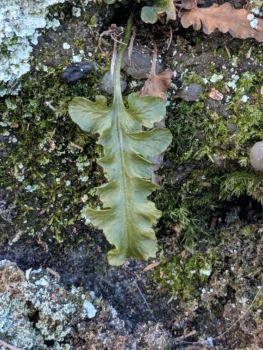
The lobed spleenwort is a perennial fern that’s truly one of a kind. Its fronds are deeply lobed in a distinctive pattern that botanists call pinnatifid – hence the name. Think of it as nature’s way of creating a fern that couldn’t quite decide what shape it wanted to be, resulting in something absolutely captivating. The triangular to oval-shaped fronds emerge from rocky crevices like little green flags announcing their presence.
Where You’ll Find This Native Beauty
This native fern calls a impressive swath of the eastern United States home, naturally occurring in Alabama, Arkansas, Connecticut, Georgia, Illinois, Indiana, Kentucky, Maryland, Mississippi, Missouri, New Jersey, North Carolina, Ohio, Oklahoma, Pennsylvania, South Carolina, Tennessee, Virginia, West Virginia, and Wisconsin.
- Species observed
- No observations
A Word of Caution: Rarity Matters
Before you start planning your lobed spleenwort garden, there’s something important to know. This fern is considered rare in several states, with Arkansas listing it as S3 (vulnerable) and New Jersey classifying it as endangered. If you’re determined to grow this special fern, please – and we cannot stress this enough – only source plants from reputable nurseries that propagate their own stock responsibly. Wild collection is not only harmful to already vulnerable populations, but it’s also illegal in many areas.
Perfect Spots for Lobed Spleenwort
This isn’t your typical woodland fern that thrives in rich, moist soil. Lobed spleenwort is a rock garden specialist that demands:
- Excellent drainage (think desert-dry rather than rainforest-moist)
- Rocky or gravelly soil
- Partial to full shade
- Alkaline to neutral pH conditions
- USDA hardiness zones 4-8
It’s particularly stunning tucked into crevices in stone walls, nestled between boulders in a rock garden, or growing in the dappled shade of a naturalistic woodland edge.
Growing and Care Tips
Once you’ve secured responsibly-sourced plants, growing lobed spleenwort is surprisingly straightforward – if you can resist the urge to pamper it too much. This fern actually thrives on benign neglect:
- Plant in spring after the last frost
- Choose a spot with sharp drainage – standing water is its enemy
- Add crushed limestone or wood ash to the soil if it’s too acidic
- Water sparingly; once established, it’s quite drought tolerant
- Avoid fertilizers – this fern prefers lean conditions
- Remove old fronds in early spring to make way for new growth
Setting Realistic Expectations
Let’s be honest – lobed spleenwort isn’t going to be the star of your pollinator garden. As a fern, it reproduces through spores rather than flowers, so it won’t attract bees or butterflies. Its wildlife value is also limited compared to flowering natives. What it offers instead is something perhaps more precious: a connection to the specialized flora of North America’s rocky places and a conversation starter that will have plant nerds green with envy.
Is Lobed Spleenwort Right for Your Garden?
This fern is perfect for you if you’re passionate about native plants, have the right growing conditions (especially good drainage and some limestone in your soil), and can source plants responsibly. It’s ideal for collectors of unusual natives, rock garden enthusiasts, and anyone who appreciates subtle beauty over flashy displays.
However, if you’re looking for a low-maintenance ground cover, a pollinator magnet, or something that thrives in typical garden soil, you might want to consider other native fern options like Christmas fern or lady fern instead.
The lobed spleenwort may be small and specialized, but for the right gardener in the right spot, it’s an absolute treasure – a living piece of North America’s rocky heritage that deserves our respect and protection.