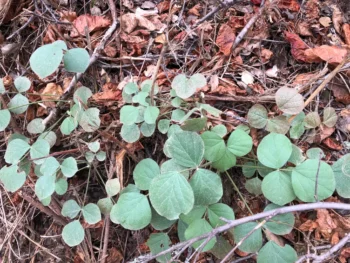
Loma Prieta: A Rare California Native Worth Preserving in Your Garden
Meet Loma Prieta (Hoita strobilina), one of California’s most elusive native wildflowers. This charming perennial herb might not be a household name, but for native plant enthusiasts and conservation-minded gardeners, it represents something truly special – a chance to help preserve a piece of California’s botanical heritage right in your backyard.
What Makes Loma Prieta Special?
Loma Prieta is a perennial forb in the legume family, meaning it’s an herbaceous plant without woody stems that comes back year after year. What sets this plant apart isn’t just its delicate beauty, but its incredible rarity. With a Global Conservation Status of S2 (Imperiled), this species typically has only 6 to 20 known occurrences in the wild, making it extremely vulnerable to extinction.
The plant produces clusters of small, purple to violet pea-like flowers that are absolutely charming when they bloom. Its compound leaves have a silvery-green appearance that adds subtle texture to any native plant collection.
Where Does Loma Prieta Call Home?
This rare beauty is endemic to California, with its natural range centered in the Santa Cruz Mountains region. It’s found nowhere else in the world, making it a true California treasure.
- Species observed
- No observations
Should You Grow Loma Prieta?
The short answer: Yes, but with important caveats.
Given its imperiled status, growing Loma Prieta can actually be an act of conservation – but only if you source your plants or seeds responsibly. Never collect from wild populations! Instead, work with reputable native plant nurseries or botanical gardens that propagate this species ethically.
Perfect Garden Settings
Loma Prieta shines in:
- Specialized native plant gardens
- Rare plant collections
- Conservation-focused landscapes
- Educational gardens highlighting endangered species
This isn’t a plant for every garden, but for those passionate about preserving California’s botanical diversity, it’s a meaningful addition.
Growing Conditions and Care
Loma Prieta thrives in USDA hardiness zones 9-10, matching its natural coastal California climate. Here’s what this rare beauty needs:
- Soil: Well-draining, sandy or gravelly soils (poor drainage is often fatal)
- Light: Partial shade to full sun
- Water: Minimal summer irrigation once established – this plant prefers dry summers
- Climate: Coastal California conditions with mild, wet winters and dry summers
Planting and Care Tips
Successfully growing Loma Prieta requires attention to its specific needs:
- Plant in fall or early spring when rains begin
- Ensure excellent drainage – consider raised beds or slopes if your soil is heavy
- Water regularly the first year to establish roots, then reduce summer watering
- Avoid fertilizers, which can harm this adapted native
- Allow the plant to go dormant naturally in summer heat
Wildlife and Pollinator Benefits
Like most legumes, Loma Prieta attracts native bees and other pollinators with its protein-rich pollen and nectar. The flowers are particularly appealing to smaller native bee species that have co-evolved with California’s flora.
A Conservation Success Story in Your Garden
Growing Loma Prieta isn’t just about adding another plant to your collection – it’s about participating in conservation. Every responsibly grown plant represents genetic diversity preserved outside of increasingly threatened wild populations.
If you’re drawn to rare plants and want to make a difference for California’s botanical heritage, Loma Prieta offers a unique opportunity. Just remember: always source ethically, provide the right growing conditions, and consider yourself a steward of this remarkable species.
Have you grown rare native plants in your garden? The conservation community would love to hear about your experiences with species like Loma Prieta!