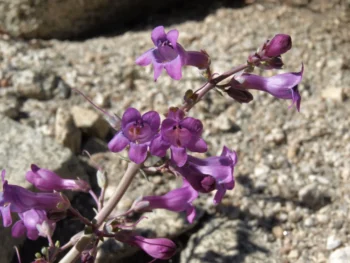
Lone Pine Beardtongue: A Rare Mountain Gem for Your Native Garden
If you’re looking to add a touch of high-altitude elegance to your garden, the Lone Pine beardtongue (Penstemon patens) might just be the perfect candidate. This charming native perennial brings the rugged beauty of California and Nevada’s mountain regions right to your backyard—though with a few important considerations we’ll discuss.
What Makes Lone Pine Beardtongue Special?
The Lone Pine beardtongue is a delightful forb that belongs to the beloved Penstemon family, known for their stunning tubular flowers that seem custom-made for attracting pollinators. This particular species produces beautiful purple to blue blooms that emerge in late spring to early summer, creating lovely clusters that practically buzz with activity from visiting bees, butterflies, and hummingbirds.
As a true perennial, this plant will return year after year, slowly forming attractive clumps with narrow, graceful leaves that provide structure even when not in bloom. Don’t expect towering heights—this is more of a low and lovely kind of plant that adds subtle charm rather than dramatic statements.
Where Does It Come From?
This native beauty calls the mountainous regions of eastern California and western Nevada home, particularly thriving in the Sierra Nevada and surrounding ranges. It’s specifically adapted to the unique conditions found in these areas, which explains both its drought tolerance and its preference for well-drained soils.
- Species observed
- No observations
Important Conservation Note
Here’s where we need to have a serious chat: Lone Pine beardtongue has a Global Conservation Status of S2S4, indicating it’s considered somewhat rare in its native range. This doesn’t mean you shouldn’t grow it—quite the opposite! Growing native plants in cultivation can actually help preserve genetic diversity. However, it does mean you should be extra careful about sourcing.
Always purchase from reputable nurseries that propagate their plants responsibly rather than wild-collecting. Never collect seeds or plants from wild populations yourself. By choosing ethically sourced plants, you’re supporting conservation efforts while enjoying this lovely species.
Perfect Garden Roles
Lone Pine beardtongue shines in several garden settings:
- Rock gardens: Its mountain origins make it a natural fit among stones and gravel
- Xeriscapes: Once established, it’s remarkably drought tolerant
- Native plant gardens: Perfect for recreating California/Nevada ecosystems
- Alpine gardens: Brings authentic high-elevation character to mountain-themed landscapes
- Pollinator gardens: Those tubular flowers are pollinator magnets
Growing Conditions That Make It Happy
Think mountain meadow when planning for this plant. Here’s what it loves:
- Soil: Well-drained is absolutely critical—sandy or rocky soils are ideal
- Sun: Full sun to partial shade (morning sun with afternoon protection in hot climates)
- Water: Drought tolerant once established, but appreciates occasional deep watering during extreme dry spells
- Climate: Hardy in USDA zones 5-8
Planting and Care Tips
Getting your Lone Pine beardtongue off to a good start is pretty straightforward:
- Timing: Plant in spring or fall when temperatures are moderate
- Drainage is everything: If your soil holds water, amend with coarse sand or gravel, or consider raised beds
- Initial care: Water regularly the first season to establish roots, then gradually reduce frequency
- Maintenance: Deadhead spent flowers to encourage more blooms and prevent unwanted self-seeding in inappropriate locations
- Winter care: Generally no special care needed—these plants are adapted to mountain winters
Pollinator Paradise
One of the best reasons to grow Lone Pine beardtongue is watching it come alive with pollinators. The tubular shape of its flowers makes them particularly attractive to:
- Native bees of various sizes
- Butterflies seeking nectar
- Hummingbirds (who seem to have a special fondness for Penstemons)
Should You Plant It?
If you live in USDA zones 5-8 and can provide excellent drainage, absolutely! Lone Pine beardtongue offers a unique opportunity to grow a genuinely rare and beautiful native plant while supporting local ecosystems. Just remember to source responsibly and enjoy watching this mountain gem adapt to its new home in your garden.
The combination of its conservation importance, pollinator appeal, and low-maintenance nature once established makes it a rewarding choice for gardeners who appreciate plants with both beauty and ecological significance.