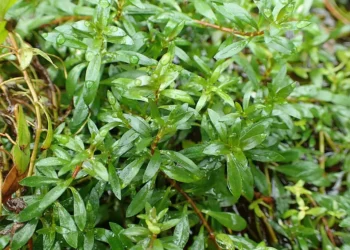
Long Beach Primrose-Willow: A Rare Wetland Gem Worth Protecting
Meet the Long Beach primrose-willow (Ludwigia brevipes), a charming native wildflower that’s become something of a botanical treasure. This petite perennial might not be the showiest plant in your garden, but it packs a powerful conservation punch and offers unique beauty for the right growing conditions.
What Makes This Plant Special
Long Beach primrose-willow is a true native son of the American Southeast, naturally occurring in Georgia, Maryland, New Jersey, North Carolina, South Carolina, and Virginia. As a member of the evening primrose family, it produces delicate yellow flowers that add subtle charm to wetland areas.
- Species observed
- No observations
This herbaceous perennial is classified as a forb, meaning it’s a soft-stemmed flowering plant without woody growth—think of it as the opposite of a shrub or tree. It stays relatively compact and thrives in consistently wet conditions where many other garden plants would struggle.
A Plant That Needs Our Help
Here’s where things get serious: Long Beach primrose-willow is considered rare, with a global conservation status of S2S3. In New Jersey, it’s listed as SX.1, indicating it may be extirpated from certain areas. This makes it both a valuable addition to conservation-minded gardens and a plant that requires careful sourcing.
Important: If you’re interested in growing this species, only obtain plants or seeds from reputable native plant nurseries that ethically propagate their stock. Never collect from wild populations.
Growing Conditions: It’s All About the Water
Long Beach primrose-willow is what botanists call an obligate wetland species, which is a fancy way of saying it almost always needs wet feet. This plant thrives in:
- Consistently moist to wet soils
- Full sun to partial shade
- USDA hardiness zones 7-9
- Areas that mimic natural wetland conditions
Perfect Garden Scenarios
This isn’t your typical border perennial, but it shines in specialized situations:
- Rain gardens: Excellent for managing stormwater runoff
- Bog gardens: Perfect companion for other wetland natives
- Pond edges: Natural-looking transition from water to land
- Conservation gardens: Supporting rare native species
- Wetland restoration projects: Helping rebuild natural ecosystems
Wildlife and Pollinator Benefits
While specific wildlife data for this species is limited, plants in the Ludwigia genus typically attract small native bees, beneficial insects, and other pollinators with their bright yellow blooms. The wet habitats where it grows also support amphibians, water-loving insects, and birds that depend on wetland ecosystems.
Care and Maintenance
Once established in the right conditions, Long Beach primrose-willow is relatively low-maintenance:
- Keep soil consistently moist to saturated
- Minimal fertilization needed in rich, organic wetland soils
- Allow natural winter dieback in colder zones
- Avoid disturbing established plants unnecessarily
Should You Grow It?
Long Beach primrose-willow isn’t for every garden or every gardener. Consider it if you have naturally wet areas, are creating a rain garden, or are passionate about conservation. Skip it if you’re looking for a typical perennial border plant or don’t have consistently moist conditions.
This little plant represents something bigger than just another garden addition—it’s a connection to our native landscapes and a small but meaningful way to support biodiversity. In the right hands and the right conditions, Long Beach primrose-willow can be both a beautiful garden resident and a conservation success story.
Just remember: with great botanical rarity comes great responsibility. Source ethically, plant thoughtfully, and enjoy being part of this special plant’s survival story.