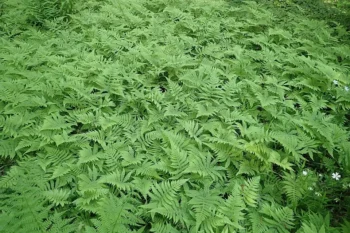
Long Beechfern: A Delicate Native Fern for Cool, Shady Spots
If you’re looking for a graceful groundcover that thrives in those tricky shady corners of your garden, meet the long beechfern (Phegopteris connectilis). This charming native fern might just be the perfect solution for creating a lush, woodland feel in your landscape.
What Makes Long Beechfern Special
The long beechfern is a perennial fern that’s native across a remarkably wide range of North America, from Alaska and Canada down through Greenland and much of the lower 48 states. You’ll find this adaptable beauty growing naturally from the Maritime provinces all the way to states like Colorado, Tennessee, and Oregon.
This fern gets its common name from its distinctive triangular fronds that have a delicate, almost lacy appearance. The bright green foliage creates an elegant carpet effect when planted in groups, making it an excellent choice for naturalizing shaded areas.
- Species observed
- No observations
Why You Might Want to Grow Long Beechfern
Here are some compelling reasons to consider adding this native fern to your garden:
- Native credentials: As a true North American native, it supports local ecosystems and requires less maintenance once established
- Low maintenance: Once settled in, long beechfern is relatively hands-off
- Excellent groundcover: Spreads naturally via underground rhizomes to create attractive colonies
- Shade tolerance: Perfect for those challenging spots where many plants struggle
- Cool climate adaptation: Thrives in USDA zones 3-7, making it ideal for northern gardens
Garden Design Ideas
Long beechfern shines in several garden settings:
- Woodland gardens: Creates authentic forest floor appeal
- Shade gardens: Fills in areas under trees and large shrubs
- Native plant gardens: Pairs beautifully with other North American natives
- Naturalized areas: Perfect for low-maintenance, natural-looking landscapes
Growing Conditions and Care
Long beechfern has some specific preferences, but once you understand them, it’s quite accommodating:
Light: Partial to full shade is essential. This fern will struggle in bright, sunny locations.
Soil: Prefers moist, well-draining, acidic soil. Think forest floor conditions – rich in organic matter and consistently damp but not waterlogged.
Moisture: Keep soil consistently moist, especially during dry spells. The wetland status varies by region, but generally, this fern appreciates regular moisture without being soggy.
Climate: Thrives in cool, humid conditions. It’s hardy in USDA zones 3-7, making it unsuitable for hot, dry climates.
Planting and Care Tips
- Spring planting: Plant in early spring when the soil is workable
- Spacing: Allow 12-18 inches between plants as they will naturally spread
- Mulching: Apply organic mulch to retain moisture and suppress weeds
- Watering: Maintain consistent moisture, especially during establishment
- Fertilizing: Generally unnecessary; rich, organic soil is all it needs
Important Conservation Note
Before you rush to plant long beechfern, there’s something important to know: in New Jersey, this species has a rarity status of S2 (Imperiled). If you live in areas where it’s considered rare, please ensure you source your plants responsibly from reputable nurseries that propagate their stock rather than wild-collecting.
Wildlife and Ecosystem Benefits
While ferns don’t produce flowers to attract pollinators, they still play valuable roles in the ecosystem. Long beechfern provides habitat structure for small wildlife and contributes to the complex understory layer that many forest creatures depend on.
The Bottom Line
Long beechfern is an excellent choice for gardeners with shady, cool, moist conditions who want to create naturalistic plantings with native species. Its delicate beauty and low-maintenance nature make it a winner for woodland gardens and naturalized areas. Just remember to source it responsibly, especially if you’re in areas where it’s considered rare, and be patient as it establishes – the elegant groundcover effect is worth the wait!