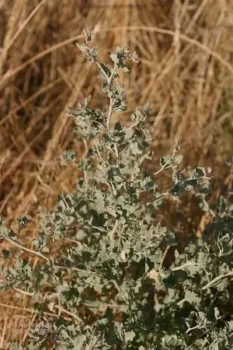
Long-Hair Silverscale: A Mysterious Native Annual Worth Knowing
Meet the long-hair silverscale (Atriplex longitrichoma), one of nature’s more elusive characters in the world of native plants. This annual member of the saltbush family might not be showing up in your local nursery anytime soon, but it’s worth getting acquainted with this fascinating native species that calls the American Southwest home.
What Is Long-Hair Silverscale?
Long-hair silverscale is a native annual plant that belongs to the diverse Atriplex genus, commonly known as saltbushes or oraches. As its name suggests, this species is distinguished by its longer, more prominent hairs compared to its relatives. You might also encounter it in scientific literature under its synonym, Atriplex argentea var. longitrichoma.
Where Does It Call Home?
This native species has chosen some pretty exclusive real estate, limiting its natural range to just two western states: California and Nevada. Within these states, long-hair silverscale has adapted to specific local conditions that suit its particular needs.
- Species observed
- No observations
Should You Grow Long-Hair Silverscale?
Here’s where things get interesting – and a bit challenging. While long-hair silverscale is undoubtedly a legitimate native species worthy of respect, practical information about cultivating this plant is remarkably scarce. This scarcity of cultivation information suggests a few possibilities:
- It may be naturally rare or have very specific habitat requirements
- It hasn’t been extensively studied for horticultural potential
- It might be challenging to grow outside its natural range
The Annual Advantage
As an annual plant, long-hair silverscale completes its entire life cycle in one growing season. This means it germinates, grows, flowers, sets seed, and dies all within a single year. For gardeners, annuals can be both exciting (quick results!) and challenging (need replanting each year).
Growing Conditions: The Mystery Deepens
Unfortunately, specific growing requirements for long-hair silverscale aren’t well-documented in readily available sources. However, we can make some educated guesses based on its family relationships and native range:
- Likely prefers well-draining soils (most Atriplex species do)
- Probably drought-tolerant once established
- May tolerate alkaline or saline conditions
- Suited for arid to semi-arid climates
The Responsible Approach
If you’re intrigued by this native species and live within its natural range, your best bet for learning more would be to:
- Contact local native plant societies in California or Nevada
- Reach out to university extension programs in these states
- Connect with regional botanists or herbarium specialists
Always ensure any plant material is ethically and legally sourced, especially for lesser-known species like this one.
Alternative Native Options
While you’re researching long-hair silverscale, consider exploring other native Atriplex species that might be more readily available and better understood for garden use. Many saltbushes offer excellent drought tolerance and provide valuable habitat for local wildlife.
The Bottom Line
Long-hair silverscale represents one of those fascinating native plants that reminds us how much we still have to learn about our local flora. While it may not be destined for mainstream gardening catalogs, it serves as a valuable reminder of the incredible diversity of native plants that call our landscapes home.
Sometimes the most interesting plants are the ones that keep a little mystery about themselves – and long-hair silverscale certainly fits that bill!