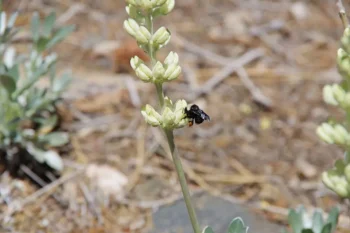
Long Lupine: A Rare California Desert Treasure Worth Knowing About
Meet the long lupine (Lupinus peirsonii), one of California’s most elusive native wildflowers. This isn’t your typical garden center find – it’s a genuinely rare perennial that calls the Golden State’s desert regions home. If you’ve never heard of it before, you’re not alone. This little-known lupine species is so uncommon that most gardeners will never encounter it in the wild, let alone in cultivation.
What Makes Long Lupine Special?
Long lupine is a native California perennial forb, which is a fancy way of saying it’s a non-woody flowering plant that comes back year after year. Like its more common lupine cousins, it likely produces the characteristic purple-blue flower spikes that make lupines so beloved by gardeners and pollinators alike. As a member of the pea family, it also has the superpower of fixing nitrogen in the soil, essentially making its own fertilizer.
Where Does Long Lupine Grow?
This rare lupine is found exclusively in California, making it a true Golden State endemic. Its natural habitat appears to be in the state’s desert mountain ranges, where it has adapted to harsh, arid conditions that would challenge most garden plants.
- Species observed
- No observations
Why You Should Know About Its Rarity
Here’s the important part: Long lupine has a Global Conservation Status of S2, which means it’s considered Imperiled. In plain English, this means there are typically only 6 to 20 known occurrences of this plant in the wild, with perhaps only 1,000 to 3,000 individual plants remaining. That makes it extremely rare and vulnerable to extinction.
Should You Try to Grow Long Lupine?
While we always encourage growing native plants, long lupine presents a special case. Due to its imperiled status, we strongly recommend:
- Only considering this plant if you can source it from reputable native plant nurseries that propagate from ethically collected seed
- Never collecting seeds or plants from wild populations
- Contacting local native plant societies or botanical gardens for guidance
- Considering more common native lupine alternatives for your garden
Growing Conditions (If You Can Source It Responsibly)
Based on its desert mountain habitat, long lupine likely prefers:
- Well-draining, sandy or rocky soils
- Full sun exposure
- Minimal summer water once established
- USDA hardiness zones 8-10 (estimated based on California distribution)
Better Alternatives for Your Garden
If you’re drawn to the idea of growing native lupines, consider these more readily available California natives instead:
- Arroyo lupine (Lupinus succulentus)
- Sky lupine (Lupinus nanus)
- Bush lupine (Lupinus albifrons)
These alternatives will give you the classic lupine look while supporting local ecosystems without putting additional pressure on rare species.
The Bottom Line
Long lupine represents the kind of botanical treasure that makes California’s flora so special – and so worth protecting. While most of us won’t have the opportunity to grow this rare beauty in our gardens, knowing about it helps us appreciate the incredible diversity of our native plant communities. If you’re passionate about rare plant conservation, consider supporting organizations that work to protect imperiled species like long lupine in their natural habitats.
Sometimes the best way to love a plant is to admire it from afar and ensure it has a secure future in the wild.