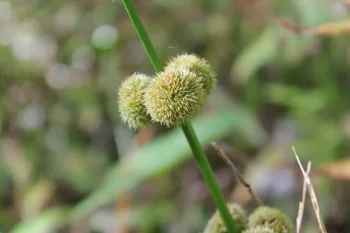
Longbeak Arrowhead: A Rare Native Gem for Your Water Garden
If you’re looking to add a touch of elegance to your pond’s edge or rain garden, the longbeak arrowhead (Sagittaria australis) might just be the perfect native plant you’ve been searching for. This perennial wetland beauty offers distinctive arrow-shaped leaves and delicate white flowers that’ll make your neighbors do a double-take.
What Makes Longbeak Arrowhead Special?
The longbeak arrowhead is a true American native, calling the lower 48 states home with a particular fondness for the southeastern and eastern regions. As its botanical name suggests, this isn’t your average garden plant – it’s an obligate wetland species that absolutely loves having its feet wet.
This perennial forb (that’s fancy talk for a non-woody plant) spreads across an impressive range of states including Alabama, Arkansas, Delaware, Florida, Georgia, Illinois, Indiana, and many others stretching from the Gulf Coast up to New York and Pennsylvania.
- Species observed
- No observations
A Word of Caution: Handle with Care
Before you rush to plant this beauty, here’s something important to know: longbeak arrowhead is considered endangered in New Jersey, where it holds a rarity status of S1 and is listed for both the Pinelands and Highlands regions. This means if you’re lucky enough to find this plant for sale, make absolutely sure you’re purchasing from a reputable nursery that sources their plants responsibly – never collect from the wild!
Why Your Garden (and Local Wildlife) Will Love It
As an obligate wetland plant, longbeak arrowhead serves as a crucial component in healthy aquatic ecosystems. Its white, three-petaled flowers bloom in summer and attract various pollinators including bees and flies. While we don’t have specific data on all its wildlife benefits, arrowhead species are generally known to provide seeds for waterfowl and habitat for aquatic insects.
The plant’s distinctive arrow-shaped leaves create an architectural element that adds structure and visual interest to water features, while its relatively compact growth habit makes it suitable for smaller garden ponds and rain gardens.
Perfect Garden Spots for Longbeak Arrowhead
This wetland specialist thrives in:
- Pond margins and bog gardens
- Rain gardens with consistent moisture
- Native wetland restoration projects
- Naturalized areas with seasonal flooding
- Container water gardens
Growing Conditions: Keep It Wet!
Longbeak arrowhead isn’t picky about much, but it’s absolutely non-negotiable about one thing: moisture. Here’s what this water-loving plant needs to thrive:
- Moisture: Constantly moist soil to shallow standing water (this is non-negotiable!)
- Light: Full sun to partial shade
- Soil: Adaptable to various soil types from clay to sandy, as long as it stays wet
- Climate: Hardy in USDA zones 5-9
Planting and Care Tips
Getting started with longbeak arrowhead is refreshingly straightforward:
- When to plant: Spring is your best bet, after the last frost danger has passed
- Planting depth: Plant at the waterline or in up to 6 inches of standing water
- Spacing: Give plants about 12-18 inches of space to spread
- Maintenance: Very low maintenance once established – just ensure consistent moisture
- Division: Divide clumps every 2-3 years if they become overcrowded
The Bottom Line
Longbeak arrowhead is a fantastic choice for gardeners looking to support native biodiversity while adding unique texture and form to their water features. Its obligate wetland status makes it perfect for rain gardens and pond edges, while its endangered status in some regions makes growing it (responsibly sourced, of course) a small act of conservation.
Just remember: this plant has one non-negotiable requirement – it must have consistent moisture or standing water. If you can meet that need, you’ll be rewarded with an elegant, low-maintenance native that connects your garden to the broader ecosystem while providing habitat for pollinators and other wildlife.