Longhair Sedge: A Native Wetland Wonder for Your Garden
If you’re looking to add a touch of natural elegance to wet areas of your landscape, longhair sedge (Carex comosa) might just be the perfect native plant you’ve been searching for. This graceful perennial sedge brings both beauty and ecological benefits to gardens across much of North America.
What Makes Longhair Sedge Special?
Longhair sedge is a true native gem, naturally occurring throughout Canada and the lower 48 states. You’ll find this adaptable sedge growing wild from British Columbia to Nova Scotia, and from Washington state all the way down to Florida and Texas. Its impressive range speaks to its adaptability and resilience.
- Species observed
- No observations
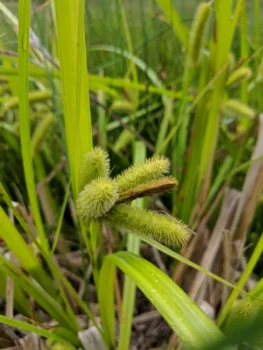
This sedge earns its common name from the distinctive, bristly seed heads that develop in summer, creating an almost bottlebrush-like appearance that adds textural interest to the garden. The plant forms attractive clumps with a fountain-like growth habit that can reach up to 5 feet tall at maturity.
Why Grow Longhair Sedge?
There are several compelling reasons to consider adding this native sedge to your landscape:
- Wetland specialist: As an obligate wetland plant, it thrives in consistently moist to wet conditions where many other plants struggle
- Low maintenance: Once established, it requires minimal care and has a slow but steady growth rate
- Long-lived: This perennial will provide years of beauty with its long lifespan
- Erosion control: Its rhizomatous growth form helps stabilize soil in wet areas
- Wildlife habitat: Provides structure and cover for beneficial insects and small wildlife
Important Conservation Note
While longhair sedge is widespread across much of North America, it’s worth noting that in Arkansas, this species has a rarity status of S1S2, meaning it’s critically imperiled to imperiled in that state. If you’re gardening in Arkansas or other areas where it might be uncommon, consider sourcing plants from reputable native plant nurseries to avoid impacting wild populations.
Perfect Garden Applications
Longhair sedge shines in several garden settings:
- Rain gardens: Excellent for managing stormwater runoff
- Pond margins: Creates natural-looking edges around water features
- Wetland restoration: Ideal for recreating natural wetland habitats
- Bioretention areas: Perfect for green infrastructure projects
- Native plant gardens: Adds authentic local character
Growing Conditions and Care
Success with longhair sedge comes from understanding its natural habitat preferences:
Soil requirements: This sedge adapts well to fine and medium-textured soils but struggles in coarse, sandy conditions. It has high tolerance for anaerobic (waterlogged) conditions and prefers slightly acidic to neutral soil (pH 4.6-7.5).
Water needs: High moisture requirements make this plant perfect for areas that stay consistently wet. It has low drought tolerance, so avoid planting in areas that dry out regularly.
Light conditions: Performs well in full sun to partial shade, with intermediate shade tolerance.
Climate adaptability: Hardy in USDA zones 3-9, tolerating temperatures as low as -28°F. It requires at least 90 frost-free days and adapts to areas receiving 14-55 inches of annual precipitation.
Planting and Propagation
Getting longhair sedge established in your garden is straightforward:
- Availability: Routinely available from native plant suppliers
- Propagation methods: Can be grown from seed, bare root plants, or sprigs
- Planting density: Space plants for 2,700-4,800 plants per acre in restoration settings
- Best planting time: Spring or early fall when moisture levels are adequate
- Establishment: Expect slow initial growth but moderate vegetative spread once established
Seasonal Interest
Longhair sedge provides interest throughout the growing season. Its active growth period spans spring through fall, with the distinctive seed heads appearing in mid-summer. The green foliage maintains its color through the growing season, and while it’s not particularly showy in fall, the plant’s structure adds winter interest to the landscape.
The Bottom Line
Longhair sedge is an excellent choice for gardeners looking to incorporate native plants into wet areas of their landscape. Its combination of ecological benefits, low maintenance requirements, and natural beauty make it a valuable addition to rain gardens, pond edges, and wetland restorations. Just remember to source plants responsibly, especially if you’re in areas where the species might be less common. With proper placement in moist, sunny to partially shaded locations, this native sedge will reward you with years of graceful, naturalistic beauty.