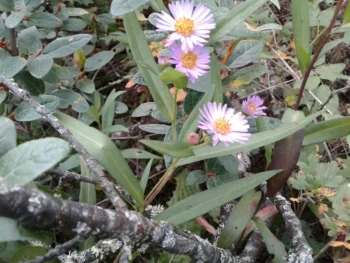
Longleaf Aster: A Late-Season Native Gem for Wet Gardens
If you’re looking for a native perennial that brings delicate beauty to the tail end of the growing season, longleaf aster (Symphyotrichum robynsianum) might just be your new garden favorite. This charming wildflower doesn’t demand the spotlight like some of its showier cousins, but it has a quiet elegance that makes it a valuable addition to naturalized landscapes and native plant gardens.
What Makes Longleaf Aster Special
Longleaf aster is a native North American perennial that belongs to the sunflower family. As its common name suggests, this plant is characterized by its narrow, linear leaves that give it a distinctive appearance even when it’s not in bloom. You might also encounter it under various synonyms in older gardening references, including Aster longifolius or Aster robynsianus.
As a forb (essentially a non-woody flowering plant), longleaf aster grows from perennial roots each year, making it a reliable long-term investment for your garden. Unlike shrubs or trees, it lacks significant woody tissue, instead putting its energy into those lovely late-season blooms.
Where It Calls Home
This native beauty has quite a range across northern North America. You’ll find longleaf aster naturally growing in Manitoba, Ontario, Quebec, Michigan, Minnesota, and Wisconsin. It’s adapted to the cooler climates of these regions and thrives in USDA hardiness zones 3 through 7.
- Species observed
- No observations
A Plant That Loves Its Water
One of the most important things to know about longleaf aster is its relationship with moisture. This plant has a Facultative Wetland status across its range, which is a fancy way of saying it usually prefers wet feet but can tolerate drier conditions if needed. This makes it an excellent choice for:
- Rain gardens and bioswales
- Pond or stream margins
- Low-lying areas that stay moist
- Prairie restorations with seasonal flooding
Garden Appeal and Design Uses
Longleaf aster brings a delicate, airy texture to the garden with its narrow foliage and small, star-shaped flowers that appear in late summer to early fall. The blooms are typically white to pale lavender, creating clouds of tiny flowers that dance in the breeze. While individual flowers are small, they appear in clusters that create a lovely naturalized effect.
This plant works beautifully in:
- Native plant gardens
- Prairie and meadow plantings
- Naturalized landscape areas
- Wildlife habitat gardens
- Seasonal wet areas
Pollinator Powerhouse
Like many native asters, longleaf aster is a valuable late-season nectar source when many other flowers have finished blooming. Bees, butterflies, and other beneficial insects rely on these autumn bloomers to fuel up before winter. By planting longleaf aster, you’re extending the buffet season for your local pollinators.
Growing Longleaf Aster Successfully
The good news is that longleaf aster is relatively easy to grow once you understand its preferences. Here’s what you need to know:
Light Requirements: Full sun to partial shade works well, though it may bloom more prolifically in sunnier spots.
Soil Needs: This adaptable plant tolerates various soil types but performs best in consistently moist conditions. It’s particularly well-suited to heavier soils that retain moisture.
Watering: While it can handle some drought once established, longleaf aster truly thrives with consistent moisture. If you’re planting it in a drier location, be prepared to provide supplemental water during dry spells.
Maintenance: This is a low-maintenance plant once established. You can cut it back in late fall or leave the seed heads for winter interest and bird food. It may self-seed in favorable conditions, helping to naturalize your planting.
Is Longleaf Aster Right for Your Garden?
Consider adding longleaf aster to your garden if you have consistently moist areas that need naturalizing, want to support late-season pollinators, or are working on a native plant garden focused on regional species. It’s particularly valuable for gardeners in the upper Midwest and adjacent Canadian provinces where it’s locally native.
However, if you’re looking for a drought-tolerant plant or need something for very dry conditions, you might want to consider other native asters that are better adapted to drier sites.
With its quiet charm, pollinator benefits, and easy-going nature, longleaf aster proves that sometimes the most unassuming plants make the biggest difference in creating a thriving, naturalized landscape. Give this native gem a try in your moist garden spots – you might just find yourself charmed by its understated beauty.