Longleaf Bush Lupine: A California Native Worth Growing
If you’re looking to add a touch of wild California beauty to your garden, the longleaf bush lupine might just be your new best friend. This charming native shrub brings all the classic lupine magic—those gorgeous flower spikes and distinctive foliage—while being perfectly adapted to California’s unique climate.
What Makes Longleaf Bush Lupine Special?
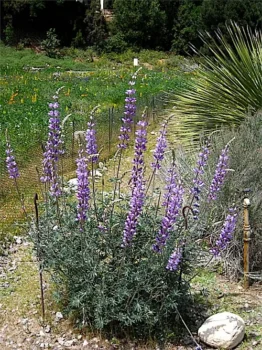
Scientifically known as Lupinus longifolius, this perennial shrub is a true California native that calls the Golden State home exclusively. As its common name suggests, this lupine stands out with its notably long, narrow leaflets that give it a distinctive appearance among its lupine cousins.
This multi-stemmed woody plant typically grows as a shrub, reaching heights of up to 13-16 feet under ideal conditions, though it usually stays more compact in garden settings. Like other lupines, it produces those iconic spikes of pea-like flowers in beautiful shades of blue to purple that make any garden look like a piece of wild California landscape.
Where Does It Grow Naturally?
Longleaf bush lupine is found exclusively in California, where it has evolved to thrive in the state’s Mediterranean climate. This native beauty is particularly at home in coastal regions and can even be found on the Channel Islands.
- Species observed
- No observations
A Word About Conservation
Here’s something important to know: longleaf bush lupine has a somewhat uncertain conservation status (listed as S3?). While this doesn’t mean it’s critically endangered, it does suggest we should be thoughtful about how we source and grow this plant. If you’re interested in adding it to your garden, make sure to purchase from reputable native plant nurseries that propagate their own stock rather than wild-collecting.
Why Grow Longleaf Bush Lupine?
There are plenty of reasons to consider this native beauty for your California garden:
- It’s perfectly adapted to California’s climate and soil conditions
- Supports native pollinators, including specialized native bees
- Adds nitrogen to the soil through its root nodules
- Provides beautiful seasonal color with its flower spikes
- Requires minimal water once established
- Fits perfectly into native plant and Mediterranean-style gardens
Where Does It Fit in Your Garden?
Longleaf bush lupine shines in several garden styles:
- Native California gardens: A natural choice for authentic regional landscapes
- Mediterranean gardens: Perfect for drought-tolerant, low-maintenance designs
- Coastal gardens: Well-suited to salt air and coastal conditions
- Naturalized areas: Great for creating wild, natural-looking spaces
- Pollinator gardens: Attracts and supports native bee species
Growing Conditions and Care
Like most California natives, longleaf bush lupine appreciates conditions that mimic its natural habitat:
- Climate zones: USDA zones 9-10 (perfect for California’s coastal and inland areas)
- Sunlight: Full sun to partial shade
- Soil: Well-draining soil is essential—avoid heavy clay or constantly moist conditions
- Water: Drought-tolerant once established, but benefits from occasional deep watering during dry spells
Planting and Propagation Tips
Getting longleaf bush lupine established requires a bit of patience, but it’s worth the effort:
- Seeds: Like most lupines, seeds have hard coats that benefit from scarification (lightly scratching the surface) before planting
- Direct seeding: Often more successful than transplanting, as lupines don’t love having their roots disturbed
- Timing: Fall planting allows seeds to experience natural winter stratification
- Spacing: Give plants plenty of room to spread—they don’t like crowded conditions
Maintenance and Long-Term Care
Once established, longleaf bush lupine is refreshingly low-maintenance:
- Water deeply but infrequently during the growing season
- Avoid fertilizing—lupines prefer lean soils and can actually be harmed by rich conditions
- Deadhead spent flower spikes to encourage more blooms
- Allow some seeds to mature if you want natural reseeding
- Prune lightly after flowering to maintain shape if desired
The Bottom Line
Longleaf bush lupine is a fantastic choice for California gardeners who want to support native ecosystems while creating beautiful, low-maintenance landscapes. Its uncertain conservation status makes it even more special—by growing this plant responsibly, you’re helping preserve a piece of California’s natural heritage right in your own backyard.
Just remember to source your plants or seeds responsibly, give them the well-draining conditions they crave, and be patient as they establish. Once they’re happy, you’ll be rewarded with years of stunning flowers and the satisfaction of knowing you’re supporting California’s native wildlife.