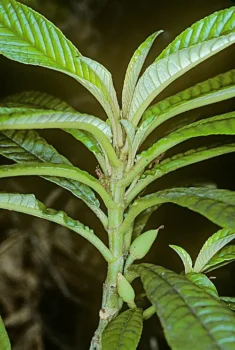
Longleaf Cyrtandra: A Treasured Native Hawaiian Shrub Worth Protecting
If you’re passionate about native Hawaiian gardening, the longleaf cyrtandra (Cyrtandra longifolia) deserves a special place on your radar. This enchanting native shrub represents the kind of unique botanical treasure that makes Hawaiian flora so captivating – and so worth preserving.
Meet the Longleaf Cyrtandra
The longleaf cyrtandra is a perennial shrub that’s exclusively native to the Hawaiian Islands. True to its name, this beauty showcases elongated leaves that create an elegant backdrop for its delicate tubular flowers. As a multi-stemmed woody plant, it typically grows to a manageable 13-16 feet in height, though it often stays much smaller in garden settings.
Where You’ll Find It Growing Wild
This Hawaiian endemic calls only the islands of Hawaii home, where it thrives in the understory of native forests. You won’t find longleaf cyrtandra growing naturally anywhere else in the world, making it a true botanical gem of the Pacific.
- Species observed
- No observations
Why Consider Growing Longleaf Cyrtandra?
There are several compelling reasons to include this native shrub in your Hawaiian garden:
- Authentic native beauty: Its glossy green foliage and charming tubular flowers (typically white or pale-colored) bring genuine Hawaiian character to your landscape
- Perfect for shade: Unlike many flowering shrubs that demand full sun, longleaf cyrtandra actually prefers partial to full shade
- Pollinator magnet: The flowers attract native Hawaiian birds and beneficial insects, supporting local ecosystems
- Understory excellence: It fills that tricky middle layer in forest-style gardens beautifully
- Conservation value: Growing this species helps preserve Hawaiian botanical heritage
A Word About Conservation
Here’s something important to know: longleaf cyrtandra has a vulnerable conservation status (S3), meaning it’s at risk in the wild. While this makes it even more special to grow, it also means you should only obtain plants from responsible, ethical sources that don’t harm wild populations. Think of it as adopting a piece of Hawaiian natural history!
Growing Conditions and Care
The good news? Longleaf cyrtandra isn’t particularly fussy once you understand its preferences:
Ideal Environment:
- Light: Partial to full shade (direct sun can stress this forest dweller)
- Soil: Moist, well-draining soil rich in organic matter
- Humidity: High humidity levels (it loves that tropical Hawaiian air!)
- Climate zones: USDA zones 10-12 (tropical and subtropical areas)
- Water needs: Consistent moisture without waterlogging
Planting and Care Tips:
- Choose a sheltered spot protected from strong winds
- Improve soil with plenty of organic compost or aged manure
- Apply organic mulch to retain moisture and suppress weeds
- Water regularly during dry spells, but ensure good drainage
- Prune lightly to maintain shape if needed
Perfect Garden Partners
Longleaf cyrtandra shines in native Hawaiian gardens, shade gardens, and forest restoration projects. It pairs beautifully with other native Hawaiian plants like native ferns, ʻōhiʻa trees, and native sedges. Consider it for creating authentic understory layers that mimic natural Hawaiian forest ecosystems.
Wetland Flexibility
One of the nice things about this adaptable native is its facultative wetland status – it can handle both moist and moderately wet conditions, making it versatile for various garden situations in Hawaiian landscapes.
The Bottom Line
Longleaf cyrtandra offers Hawaiian gardeners a chance to grow something truly special – a native shrub that’s both beautiful and ecologically valuable. While its vulnerable status means we need to be thoughtful about sourcing, it’s absolutely worth growing for those who appreciate authentic Hawaiian flora. Just remember: always buy from reputable native plant nurseries, never collect from the wild, and consider yourself a steward of this precious piece of Hawaiian botanical heritage.
Ready to add some genuine island charm to your shady spots? Longleaf cyrtandra might just be the perfect native treasure you’ve been looking for.