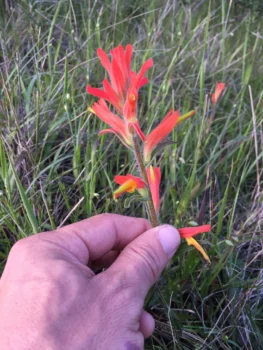
Longleaf Indian Paintbrush: A Rare California Native Worth Protecting
If you’ve stumbled across the name longleaf Indian paintbrush in your native plant research, you’ve discovered one of California’s more elusive wildflower treasures. This perennial forb, scientifically known as Castilleja subinclusa franciscana, is a rare subspecies that deserves special attention from conservation-minded gardeners.
What Makes This Plant Special?
Longleaf Indian paintbrush belongs to the beloved Indian paintbrush family, known for their vibrant, brush-like flower clusters that seem to dip nature’s paintbrush in brilliant colors. As a perennial forb, this plant lacks woody stems but returns year after year from its root system, making it a potentially valuable addition to native plant gardens—if you can find it!
Where Does It Call Home?
This particular Indian paintbrush is exclusively native to California, representing the Golden State’s incredible plant diversity. However, its distribution appears to be quite limited within the state, contributing to its conservation status.
- Species observed
- No observations
The Rarity Factor: Why This Matters
Here’s where things get interesting (and important): longleaf Indian paintbrush has a Global Conservation Status of S3S4T2T3. While this coding system might look like alphabet soup, it essentially means this plant is considered rare and potentially vulnerable. This isn’t just another pretty wildflower you can casually add to your shopping list.
Should You Grow It?
The short answer: only if you can source it responsibly. Given its rarity status, here’s what responsible gardeners should consider:
- Never collect seeds or plants from wild populations
- Only purchase from reputable native plant nurseries that can verify ethical sourcing
- Consider it only if you’re committed to proper care and conservation
- Be prepared that finding this plant may be quite challenging
Growing Challenges and Unknowns
Unfortunately, detailed growing information for this specific subspecies is limited. Like many rare plants, cultivation requirements may be quite specific and potentially challenging for home gardeners. Indian paintbrushes in general are known for being somewhat finicky in cultivation, often requiring specific soil conditions and sometimes forming relationships with host plants.
Alternative Options
If you’re drawn to Indian paintbrushes but want something more readily available and easier to grow, consider these more common California native Castilleja species:
- Desert Indian paintbrush (Castilleja chromosa)
- Woolly Indian paintbrush (Castilleja foliolosa)
- Giant red Indian paintbrush (Castilleja miniata)
The Bottom Line
Longleaf Indian paintbrush represents the kind of plant that makes California’s flora so special—unique, beautiful, and worth protecting. While it may not be the easiest addition to your native garden, supporting conservation efforts and choosing responsibly sourced native plants helps ensure these botanical treasures stick around for future generations to appreciate.
If you do encounter this plant in the wild, take photos, appreciate its beauty, but leave it undisturbed. Sometimes the best way to grow a rare plant is to help protect the places where it naturally thrives.