Longleaf Summer Bluet: A Delicate Native Gem for Your Garden
If you’re looking for a charming native wildflower that won’t overwhelm your garden but will quietly steal the show, meet the longleaf summer bluet (Houstonia longifolia). This unassuming perennial might not shout for attention like some of its showier cousins, but its delicate beauty and easygoing nature make it a perfect addition to naturalized landscapes and native plant gardens.
What Makes Longleaf Summer Bluet Special?
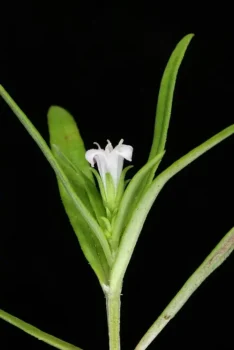
The longleaf summer bluet is a native North American wildflower that belongs to the coffee family, though you won’t be brewing any beverages from this little beauty! This perennial forb produces clusters of tiny, four-petaled flowers that range from white to pale blue, creating a soft, ethereal appearance in the garden. The narrow, linear leaves give the plant its longleaf common name and create an attractive, grass-like texture even when not in bloom.
Where Does It Call Home?
This adaptable native has quite an impressive range across North America. You’ll find longleaf summer bluet growing naturally from southeastern Canada (including Alberta, Manitoba, Ontario, Quebec, and Saskatchewan) throughout much of the eastern and central United States. Its distribution spans from Maine down to Florida and stretches west through states like Minnesota, Kansas, and Oklahoma, making it at home in a variety of climates and conditions.
- Species observed
- No observations
A Word About Rarity
While longleaf summer bluet has a broad native range, it’s worth noting that this species has become rare in some areas. In New Jersey’s Highlands region, it’s listed with an SX status, indicating it may be extirpated from that area. If you’re interested in growing this native gem, please source your plants or seeds from reputable native plant nurseries that practice responsible collection methods.
Garden Appeal and Design Uses
Don’t let its modest stature fool you – longleaf summer bluet brings subtle elegance to the right garden settings. Here’s where it shines:
- Rock gardens: Its low-growing habit and drought tolerance make it perfect for tucking into rocky crevices
- Native plant gardens: Provides authentic regional character alongside other native wildflowers
- Prairie restorations: Adds delicate texture and color to naturalized meadow plantings
- Ground cover: Forms attractive mats in suitable conditions
- Pollinator gardens: Attracts small bees, flies, and butterflies with its nectar-rich blooms
Growing Conditions and Care
One of the best things about longleaf summer bluet is its easygoing nature. This hardy perennial thrives in USDA zones 3-9, making it suitable for most North American gardens. Here’s what it prefers:
- Light: Full sun to partial shade (though it flowers best with plenty of sunlight)
- Soil: Well-drained soils; tolerates poor, sandy, or rocky conditions
- Water: Drought tolerant once established, but appreciates occasional watering during dry spells
- Maintenance: Extremely low maintenance – just let it do its thing!
Planting and Care Tips
Getting longleaf summer bluet established in your garden is refreshingly straightforward:
- Plant in spring or fall when temperatures are moderate
- Space plants about 6-12 inches apart if using multiple specimens
- Water regularly during the first growing season to help establish roots
- Once established, this tough little plant rarely needs supplemental watering
- Allow it to self-seed for naturalized colonies, or divide clumps every few years
- No fertilization needed – it actually prefers lean soils
Wildlife and Pollinator Benefits
While small in stature, longleaf summer bluet punches above its weight when it comes to supporting local wildlife. The delicate flowers provide nectar for various pollinators, including small native bees, flies, and butterflies. Its unassuming presence makes it a valuable supporting player in pollinator-friendly garden ecosystems.
Is Longleaf Summer Bluet Right for Your Garden?
This native charmer is perfect for gardeners who appreciate subtle beauty and want to support local ecosystems with minimal effort. It’s ideal if you’re looking to create naturalized areas, add authentic native character to your landscape, or simply want a low-maintenance perennial that attracts pollinators.
However, it might not be the best choice if you prefer bold, showy flowers or need plants for formal garden settings. Its delicate appearance and naturalized growth habit work best in casual, nature-inspired landscapes.
Remember to source your plants responsibly, especially given its rarity status in some regions. By choosing longleaf summer bluet, you’re not just adding a beautiful native plant to your garden – you’re also supporting local biodiversity and helping preserve this charming piece of North American botanical heritage.