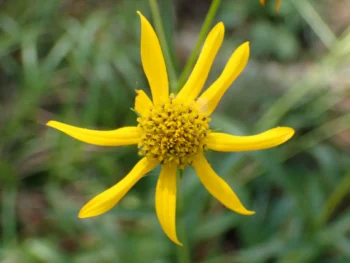
Longleaf Sunflower: A Rare Southeastern Native Worth Protecting
Meet the longleaf sunflower (Helianthus longifolius), a charming but increasingly rare native perennial that deserves a spot in every southeastern gardener’s heart—and landscape. This delightful member of the sunflower family brings late-season sunshine to gardens while supporting local wildlife, but there’s an important caveat every gardener should know before planting.
A Rare Gem with Conservation Concerns
Before we dive into the growing guide, let’s address the elephant in the room: longleaf sunflower is considered vulnerable throughout its range. With a global conservation status of S3, this species is rare and local, typically found in only 21 to 100 locations worldwide. In Alabama, it’s even more precarious with an S1S2 rarity status, meaning it’s critically imperiled to imperiled in the state.
What this means for gardeners: If you choose to grow longleaf sunflower, please only use responsibly sourced material from reputable native plant nurseries or seed suppliers. Never collect from wild populations, as this could further threaten already vulnerable communities.
Where This Southeastern Beauty Calls Home
Longleaf sunflower is native to just three southeastern states: Alabama, Georgia, and North Carolina. This limited geographic distribution is part of what makes it so special—and so vulnerable. It’s a true regional endemic that has adapted to the specific conditions of the southeastern United States.
- Species observed
- No observations
Why Consider Growing Longleaf Sunflower?
Despite its rarity concerns, there are compelling reasons to include this native perennial in appropriate landscapes:
- Native pollinator magnet: Like other sunflowers, it attracts bees, butterflies, and other beneficial insects
- Late-season blooms: Provides crucial nectar when many other flowers have finished for the year
- Low maintenance: Once established, this drought-tolerant perennial requires minimal care
- Conservation impact: Growing it responsibly helps preserve genetic diversity of this rare species
- Regional authenticity: Adds genuine local character to southeastern native plant gardens
Growing Conditions and Care
Longleaf sunflower is classified as a forb—a non-woody perennial that dies back to the ground each winter. Its facultative wetland status means it’s adaptable, thriving in both wetland edges and well-drained upland sites.
Ideal Growing Conditions:
- Sunlight: Full sun for best flowering
- Soil: Well-drained soils; tolerates various soil types
- Moisture: Drought tolerant once established, but appreciates occasional watering during dry spells
- Hardiness: USDA zones 7-9 (matches its native range)
Perfect Garden Companions
Longleaf sunflower shines in naturalized settings and wildlife gardens. Consider pairing it with other southeastern natives like:
- Wild bergamot and other native mints
- Purple coneflower
- Native asters for extended fall color
- Little bluestem grass
Planting and Maintenance Tips
This low-maintenance perennial practically takes care of itself once established. Plant in spring after the last frost, water regularly the first season to help establish roots, then step back and let nature take over. You may find it self-seeds modestly, gradually expanding its presence in suitable spots.
Cut back spent flower stalks in late fall or early spring, though leaving some seed heads through winter provides food for birds and maintains garden interest.
The Bottom Line
Longleaf sunflower offers southeastern gardeners a chance to grow something truly special—a rare native that brings both beauty and ecological benefits to the landscape. Just remember to source it responsibly and consider it an investment in regional conservation. By growing this vulnerable species in our gardens, we become partners in preserving a piece of the Southeast’s natural heritage for future generations.