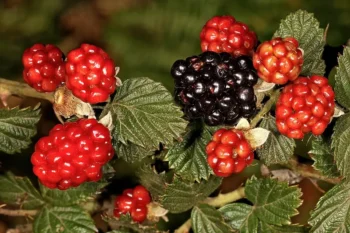
Long’s Blackberry: A Rare Native Treasure for Eastern Gardens
If you’re passionate about native plants and love supporting local ecosystems, Long’s blackberry (Rubus longii) might just be the hidden gem your garden has been waiting for. This lesser-known member of the blackberry family offers a unique opportunity to grow something truly special – but there are some important things you should know before adding it to your landscape.
What Is Long’s Blackberry?
Long’s blackberry is a native perennial shrub that stays refreshingly compact compared to its more aggressive cousins. This low-growing beauty typically reaches just 1.5 feet tall and rarely exceeds 3 feet at maturity, making it perfect for gardeners who want the charm of native blackberries without the overwhelming sprawl.
You might also see this plant listed under several synonyms in older references, including Rubus acer, Rubus akermanii, Rubus cacaponensis, and Rubus subinnoxius. Don’t let the scientific name shuffle confuse you – they’re all referring to the same special plant.
Where Long’s Blackberry Calls Home
This eastern native has a relatively limited range, naturally occurring in Maryland, New Jersey, New York, North Carolina, Pennsylvania, Virginia, and West Virginia. It’s a true regional specialty that has evolved specifically for the growing conditions found in these states.
- Species observed
- No observations
The Rarity Factor: Why This Matters
Here’s where things get important: Long’s blackberry isn’t just uncommon in gardens – it’s actually rare in the wild. In New Jersey, it holds a rarity status of S1 and is Highlands Listed, meaning it’s critically imperiled in that state. This rarity status is something every responsible gardener should consider seriously.
If you decide to grow Long’s blackberry, please only source plants from reputable native plant nurseries that practice ethical propagation. Never collect plants from wild populations, as this can harm already vulnerable ecosystems.
Garden Appeal and Landscape Role
Long’s blackberry brings subtle beauty to the garden with its typical Rubus charm – delicate white flowers in spring followed by small, edible berries. As a low-growing shrub, it works wonderfully as:
- Groundcover in naturalized areas
- Understory planting in woodland gardens
- Wildlife habitat feature in native plant gardens
- Erosion control on gentle slopes
This plant is particularly well-suited for native plant enthusiasts, woodland garden designers, and anyone creating habitat-focused landscapes in its native range.
Pollinator and Wildlife Benefits
Like other native Rubus species, Long’s blackberry likely provides valuable nectar and pollen for native bees, flies, and other pollinators during its flowering period. The berries, though small, can provide food for birds and small mammals. By choosing this native over non-native alternatives, you’re supporting the intricate web of relationships that have evolved over thousands of years.
Growing Conditions and Care
Long’s blackberry shows remarkable adaptability when it comes to moisture conditions. It has a Facultative wetland status across its range, meaning it can thrive in both wetland and non-wetland conditions – a trait that makes it quite versatile for different garden situations.
Based on its native range, this plant likely thrives in USDA hardiness zones 5-8. While specific growing condition information is limited, native Rubus species typically appreciate:
- Partial shade to full sun
- Well-draining to occasionally moist soils
- Minimal fertilization (native soils are usually perfect)
- Little maintenance once established
Should You Plant Long’s Blackberry?
The decision to grow Long’s blackberry comes with both excitement and responsibility. If you live within its native range and can source plants ethically, you have the opportunity to help preserve a rare native species while adding something truly unique to your landscape.
However, given its rarity status, this isn’t a plant for casual gardeners or those looking for a common groundcover. It’s best suited for:
- Dedicated native plant gardeners
- Conservation-minded landscapers
- Those specifically working to preserve regional flora
- Educational or demonstration gardens focusing on rare natives
If you’re simply looking for a native blackberry for general garden use, consider more common native Rubus species that don’t carry conservation concerns.
The Bottom Line
Long’s blackberry represents both an opportunity and a responsibility. It’s a chance to grow something genuinely rare and regionally important, but it requires a commitment to ethical sourcing and conservation-minded gardening. If you’re up for the challenge and can find responsibly propagated plants, Long’s blackberry could become a treasured part of your native landscape – and a small but meaningful contribution to preserving our regional botanical heritage.