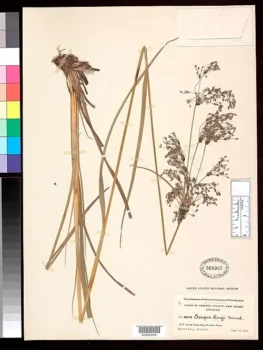
Long’s Bulrush: A Rare Wetland Gem Worth Protecting
If you’re passionate about native plants and wetland conservation, Long’s bulrush (Scirpus longii) might just capture your heart—though you’ll need to be extra thoughtful about how you acquire it. This charming sedge is one of those special plants that reminds us why protecting our native flora matters so much.
What Makes Long’s Bulrush Special?
Long’s bulrush is a perennial sedge that belongs to the grass-like plant family, specifically the sedge family (Cyperaceae). Don’t let the grass-like description fool you into thinking it’s ordinary—this little beauty has some serious ecological credentials and a story that’s both inspiring and concerning.
This native North American plant forms attractive clumps of slender, upright stems topped with small, brownish flower clusters that add subtle texture to wetland landscapes. While it may not have the showstopper blooms of some garden favorites, its understated elegance and ecological value make it a true treasure.
Where You’ll Find Long’s Bulrush
Long’s bulrush calls the northeastern regions of North America home, with populations scattered across Nova Scotia, Connecticut, Maine, Massachusetts, New Hampshire, New Jersey, New York, and Rhode Island. It’s native to both Canada and the lower 48 states, making it a true regional specialty of the Atlantic coastal areas.
- Species observed
- No observations
A Plant That Needs Our Help
Here’s where things get serious: Long’s bulrush is considered rare, with a global conservation status of S2S3, and it’s listed as endangered in New Jersey. This means that while this plant has incredible value for wetland gardens and ecological restoration, we need to be extremely responsible about how we source and grow it.
If you’re interested in growing Long’s bulrush, please only obtain plants or seeds from reputable native plant nurseries that can guarantee their material is responsibly sourced and legally obtained. Never collect from wild populations—every plant counts when a species is this rare.
Perfect for Wetland Gardens
Long’s bulrush is what botanists call an obligate wetland plant, which means it almost always occurs in wetlands across all its native regions. This makes it absolutely perfect for:
- Rain gardens and bioswales
- Pond margins and water garden edges
- Wetland restoration projects
- Bog gardens and consistently moist areas
- Native plant gardens focused on aquatic species
Growing Conditions and Care
If you’re lucky enough to have the right conditions and can source this plant responsibly, Long’s bulrush is surprisingly low-maintenance once established. Here’s what it needs to thrive:
Sunlight: Full sun to partial shade—it’s quite adaptable to different light conditions as long as its water needs are met.
Soil and Water: Consistently moist to wet soils are absolutely essential. Think bog-like conditions or areas that stay saturated most of the year.
Climate: Hardy in USDA zones 3-7, making it suitable for most northern and northeastern gardens.
Maintenance: Once established, this perennial requires minimal care. You can divide clumps in spring or fall if you want to propagate (and share with other conservation-minded gardeners).
Wildlife and Ecological Benefits
While Long’s bulrush is wind-pollinated rather than attracting bees and butterflies, it provides valuable ecosystem services. The seeds offer food for various bird species, and the plant’s presence helps stabilize wetland soils and filter water naturally. In restoration projects, it plays a crucial role in rebuilding healthy wetland communities.
The Bottom Line
Long’s bulrush represents both an opportunity and a responsibility for native plant gardeners. If you have the right wetland conditions and can source plants ethically, growing this species contributes to conservation efforts and creates valuable habitat. However, given its rare status, it’s not a casual garden choice—it’s a commitment to helping preserve a piece of our natural heritage.
Consider Long’s bulrush if you’re working on wetland restoration, have a dedicated bog garden, or want to support rare native species conservation. Just remember: with great plants comes great responsibility, and this little sedge deserves our most thoughtful care.