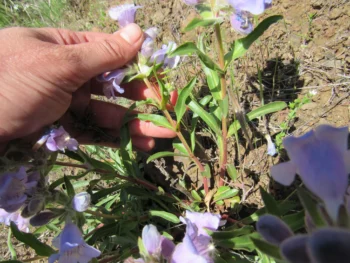
Longsac Penstemon: A Hidden Gem for Native Plant Enthusiasts
If you’re looking to add a splash of purple-blue magic to your native plant garden while supporting local pollinators, longsac penstemon (Penstemon eriantherus var. redactus) might just be the perfect addition to your landscape. This charming northwestern native brings both beauty and ecological benefits to gardens across its range.
Meet the Longsac Penstemon
Longsac penstemon is a perennial herbaceous plant that belongs to the diverse and beloved penstemon family. As a forb, it lacks woody stems but makes up for it with stunning tubular flowers that seem designed specifically to catch the eye—and the attention of pollinators. You might occasionally see it listed under its synonym, Penstemon whitedii ssp. tristis, but don’t let the scientific names confuse you. This is one plant worth getting to know by any name!
Where It Calls Home
This native beauty has chosen some pretty spectacular real estate for its natural habitat. Longsac penstemon is native to the northwestern United States, specifically calling Idaho, Montana, and Oregon home. It’s perfectly adapted to the unique growing conditions found in these states, making it an excellent choice for gardeners in these regions who want to work with nature rather than against it.
- Species observed
- No observations
A Word of Caution: Handle with Care
Here’s something important to know before you start planning where to plant your longsac penstemon: this variety has a conservation status that suggests it may be uncommon in parts of its range. While this makes it even more special, it also means we need to be responsible gardeners. If you decide to add this plant to your garden, make absolutely sure you’re purchasing from reputable nurseries that source their plants responsibly—never collect from wild populations.
Why Your Garden (and Local Wildlife) Will Love It
Longsac penstemon isn’t just a pretty face in the garden. Its tubular purple-blue flowers are like nature’s own pollinator magnets, attracting native bees, butterflies, and even hummingbirds. The flowers typically bloom in late spring to early summer, providing crucial nectar when many pollinators are most active.
From a design perspective, this perennial works beautifully in:
- Native plant gardens
- Pollinator-friendly landscapes
- Rock gardens
- Xeriscape or drought-tolerant gardens
- Naturalized prairie-style plantings
Growing Longsac Penstemon Successfully
The good news is that longsac penstemon, like many native plants, isn’t particularly fussy once you understand its preferences. This hardy perennial thrives in USDA zones 4-8, making it suitable for a wide range of climates.
Perfect Growing Conditions
Think mountain meadow when planning the perfect spot for your longsac penstemon:
- Sunlight: Full sun to partial shade (at least 6 hours of direct sunlight is ideal)
- Soil: Well-draining soil is absolutely crucial—this plant hates wet feet
- Water: Drought tolerant once established, but appreciates occasional deep watering during dry spells
- Drainage: Cannot stress this enough—good drainage prevents root rot and keeps your plant happy
Planting and Care Tips
Getting started with longsac penstemon is straightforward if you follow these guidelines:
Planting: Spring is the ideal time to plant, giving the roots time to establish before winter. Space plants about 12-18 inches apart to allow for mature spread.
Watering: Water regularly during the first growing season to help establish a strong root system. Once established (usually after the first year), this drought-tolerant native will need minimal supplemental watering except during extreme dry periods.
Maintenance: Deadhead spent flowers to encourage additional blooms throughout the season. In late fall, you can leave the seed heads for wildlife or cut them back—your choice!
Winter Care: In colder zones, a light mulch around the base can provide extra protection, but avoid covering the crown of the plant.
Is Longsac Penstemon Right for Your Garden?
This native beauty is perfect for gardeners who:
- Live within its native range (Idaho, Montana, Oregon)
- Want to support local pollinators and wildlife
- Prefer low-maintenance, drought-tolerant plants
- Are interested in conservation gardening
- Love unique, less common native plants
However, if you’re looking for a plant that thrives in constantly moist conditions or heavy clay soil, you might want to consider other native options better suited to those conditions.
The Bottom Line
Longsac penstemon offers the perfect combination of beauty, ecological value, and low-maintenance charm that makes native gardening so rewarding. While its conservation status means we need to source it responsibly, adding this northwestern gem to your garden is a wonderful way to support local ecosystems while enjoying its lovely purple-blue blooms. Just remember: good drainage is key, and patience during establishment will be rewarded with years of pollinator-attracting beauty.
Ready to welcome longsac penstemon to your garden? Your local pollinators—and your landscape—will thank you for it!