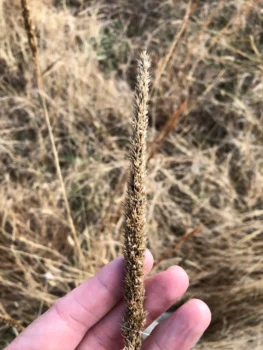
Longspike Tridens: A Hardy Native Grass for Southern Gardens
If you’re looking for a low-maintenance native grass that can handle tough conditions while adding subtle beauty to your landscape, meet longspike tridens (Tridens strictus). This unassuming perennial grass might not win any flashy flower contests, but it’s a reliable workhorse that deserves a spot in more American gardens.
What is Longspike Tridens?
Longspike tridens is a native perennial grass that grows throughout much of the southeastern and south-central United States. You might also see it listed under its former scientific name, Triodia stricta. This hardy grass typically reaches about 5 feet tall when mature and spreads slowly through underground rhizomes, creating modest clumps over time.
As a true native species, longspike tridens has been quietly doing its job in American ecosystems for centuries. It grows naturally across seventeen states, from Pennsylvania down to Florida and west to Texas and Kansas, making it one of our more widely distributed native grasses.
- Species observed
- No observations
Why Grow Longspike Tridens?
Here’s where this grass really shines – it’s incredibly adaptable and tough. Longspike tridens thrives in conditions that would stress out many other plants:
- Excellent drought tolerance once established
- Handles both sandy and clay soils (though it prefers coarse to medium textures)
- Tolerates acidic soils with pH as low as 3.5
- Moderate growth rate means it won’t take over your garden
- Low fertility requirements – no need for constant feeding
The grass produces fine-textured green foliage that creates a soft, natural look in the landscape. While its green flowers aren’t particularly showy, they give way to small yellow seeds that add subtle interest in late summer and fall.
Where Does it Fit in Your Garden?
Longspike tridens is perfect for naturalized areas, prairie gardens, and rain gardens. Its wetland status varies by region – in some areas it prefers wetland edges, while in others it’s more at home in drier upland sites. This adaptability makes it useful for transitional zones in your landscape where soil moisture varies.
Consider using longspike tridens for:
- Erosion control on slopes
- Naturalizing large areas
- Adding texture to native plant gardens
- Creating wildlife habitat structure
- Low-maintenance ground cover in challenging spots
Growing Conditions and Care
This grass is remarkably easy-going about growing conditions. It thrives in USDA hardiness zones 6 through 9 and needs at least 180 frost-free days per year. Longspike tridens prefers full sun to partial shade and can handle annual precipitation ranging from 35 to 55 inches.
The key to success with longspike tridens is patience during establishment. While it has high seedling vigor, it spreads slowly and has a relatively short lifespan for a perennial grass. However, its moderate vegetative spread rate means established plants will gradually fill in over time.
Planting and Propagation
Growing longspike tridens from seed is your best bet, as it’s not commonly available from commercial sources. With about 2.1 million seeds per pound, a little goes a long way. Seeds don’t require cold stratification, making them easier to work with than some native grasses.
Plant seeds in spring when soil temperatures warm up. The grass is active during spring growing season and blooms in late summer. While fruit and seed production can be low some years, established plants will self-seed modestly in suitable conditions.
Is Longspike Tridens Right for You?
If you’re looking for a reliable, low-maintenance native grass that can handle challenging conditions, longspike tridens could be perfect. It’s especially valuable if you’re working with acidic soils, dealing with periodic drought, or trying to establish vegetation in areas with poor fertility.
Keep in mind that this isn’t a grass for formal landscapes or high-traffic areas. Its true calling is in naturalized settings where you want the subtle beauty and ecological benefits of native vegetation without the fuss of high-maintenance plants.
While longspike tridens may not be the showiest plant in your garden, it’s the kind of steady, reliable native that forms the backbone of healthy ecosystems – and low-maintenance landscapes.