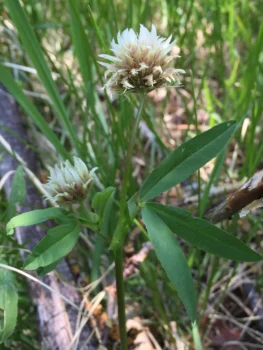
Longstalk Clover: A Hardy Native Ground Cover for Western Gardens
If you’re looking for a tough, low-maintenance ground cover that works overtime in your garden, meet longstalk clover (Trifolium longipes). This native western wildflower might not win any height contests at just 6 inches tall, but what it lacks in stature, it makes up for in resilience and ecological benefits.
What Makes Longstalk Clover Special
Longstalk clover is a perennial forb native to the western United States. Unlike its taller cousins, this little clover spreads via rhizomes, creating a decumbent (low and spreading) mat of fine-textured green foliage topped with conspicuous purple flower heads during spring blooming season.
This plant is a multitasker in the best possible way. Not only does it fix nitrogen in the soil (thanks to those helpful root bacteria), but it also provides rapid regrowth after disturbance and spreads quickly to fill in bare spots.
Where Longstalk Clover Calls Home
You’ll find this hardy native growing naturally across eleven western states: Arizona, California, Colorado, Idaho, Montana, Nevada, New Mexico, Oregon, Utah, Washington, and Wyoming. It thrives in the diverse conditions found throughout these regions, from mountain valleys to arid plains.
- Species observed
- No observations
Garden Appeal and Design Role
While longstalk clover won’t stop traffic with flashy blooms, it brings subtle charm to the landscape. The purple flowers create a lovely carpet effect in spring, while the fine-textured foliage provides a soft green backdrop throughout the growing season. Its rapid growth rate and rhizomatous spreading habit make it excellent for:
- Filling in gaps between larger native plants
- Creating natural-looking ground cover in meadow gardens
- Stabilizing soil in restoration projects
- Adding nitrogen-fixing benefits to native plant communities
Perfect Garden Settings
Longstalk clover shines in naturalized landscapes and native plant gardens. It’s particularly well-suited for:
- Wildflower meadows and prairies
- Native plant restoration areas
- Low-water gardens and xeriscapes
- Areas where you want seasonal interest without high maintenance
Pollinator and Wildlife Benefits
Those cheerful purple flowers aren’t just for show – they’re magnets for pollinators. Bees particularly appreciate the nectar and pollen longstalk clover provides during its spring blooming period. The plant produces abundant seeds from summer through fall, offering food for birds and small wildlife.
Growing Conditions and Care
One of longstalk clover’s best features is its adaptability. This tough little plant handles a wide range of conditions:
- Soil: Adapts to coarse, medium, or fine-textured soils with pH between 5.6-6.8
- Water: Medium moisture use with moderate drought tolerance once established
- Light: Intermediate shade tolerance, but prefers full to partial sun
- Climate: Handles annual precipitation from 19-69 inches
- Temperature: Needs at least 120 frost-free days
Special Considerations: Wetland Status
Longstalk clover has different wetland classifications depending on your region:
- Arid West: Facultative Wetland (usually in wetlands but can occur elsewhere)
- Great Plains: Facultative Wetland
- Western Mountains and Coast: Facultative (equally at home in wet or dry sites)
This flexibility makes it valuable for transitional areas in your landscape.
Planting and Care Tips
Growing longstalk clover is refreshingly straightforward:
- Propagation: Start from seed – it’s the only reliable method
- Planting: Sow seeds in spring when soil warms
- Germination: Expect rapid germination with high seedling vigor
- Establishment: Plants spread rapidly once established
- Maintenance: Minimal care needed – this plant thrives on benign neglect
One heads up: longstalk clover has a relatively short lifespan, but its prolific seeding means it often replaces itself naturally in the landscape.
The Bottom Line
Longstalk clover may not be the showstopper of your native plant garden, but it’s definitely the reliable friend you can count on. Its combination of rapid establishment, soil improvement, pollinator support, and low maintenance requirements makes it a smart choice for western gardeners looking to create sustainable, regionally appropriate landscapes. Plus, with no known commercial sources available, growing it from seed makes you part of an exclusive club of gardeners helping preserve this useful native species.