Longstalk Clover: A Pacific Northwest Native Worth Knowing
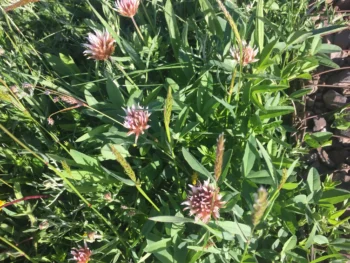
If you’re passionate about native gardening in the Pacific Northwest, you might want to get acquainted with longstalk clover (Trifolium longipes caurinum). This charming little perennial forb might not be the showiest plant in your garden, but it’s got some serious ecological credentials that make it worth considering for your native landscape.
What Exactly Is Longstalk Clover?
Longstalk clover is a true Pacific Northwest native, calling Oregon and Washington home. As its common name suggests, this little clover produces flowers on notably long stalks, giving it a delicate, airy appearance that sets it apart from its more common clover cousins. Like other members of the legume family, it’s a nitrogen-fixer, which means it’s actually improving your soil while it grows.
Being a perennial forb, longstalk clover doesn’t develop woody stems like shrubs or trees. Instead, it maintains soft, herbaceous growth year after year, with its growing points safely tucked at or below ground level to weather Pacific Northwest winters.
- Species observed
- No observations
Why Consider Growing Longstalk Clover?
Here’s where this humble native really shines:
- Pollinator magnet: Those small white to pinkish flowers are bee candy, attracting native bees and other beneficial insects
- Soil improvement: As a legume, it fixes nitrogen, naturally fertilizing surrounding plants
- Native credentials: Supporting local ecosystems by growing truly native plants
- Low maintenance: Once established, native plants typically require minimal care
Garden Role and Design Ideas
Longstalk clover works beautifully in:
- Native plant gardens and restoration projects
- Pollinator gardens where you want to support local bee species
- Naturalized areas where you’re recreating Pacific Northwest plant communities
- Ground cover situations where you want something functional yet attractive
It’s not necessarily a specimen plant that’ll stop traffic, but it’s the kind of reliable native that forms the backbone of a healthy, functioning ecosystem.
Growing Conditions and Care
While specific growing requirements for this particular subspecies aren’t well-documented, Pacific Northwest clovers generally prefer:
- Sunlight: Full sun to partial shade
- Soil: Well-draining soils (avoid waterlogged conditions)
- Hardiness: Likely suited for USDA zones 6-9, matching its native range
- Water: Drought-tolerant once established, typical of many natives
A Word About Sourcing
Here’s something important to know: longstalk clover has a conservation status that suggests it may be less common than other native plants. If you’re interested in growing it, make sure you source seeds or plants responsibly from reputable native plant suppliers who ethically collect or propagate their materials.
The Bottom Line
Longstalk clover might not be the flashiest addition to your garden, but it’s exactly the kind of plant that serious native gardeners appreciate. It supports pollinators, improves soil, and helps recreate the plant communities that belong in the Pacific Northwest. If you’re building a native landscape in Oregon or Washington, this little clover deserves a spot on your consideration list.
Just remember to source it responsibly and give it the well-draining conditions it likely prefers. Sometimes the most valuable garden plants are the quiet ones that do their important work without demanding much attention.