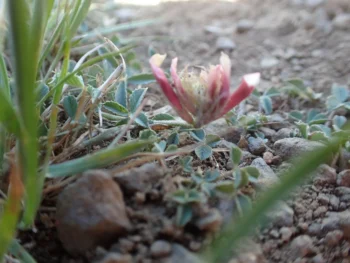
Longstalk Clover: A Hidden Gem for Pacific Northwest Native Gardens
If you’re looking to add authentic regional character to your native plant garden, longstalk clover (Trifolium longipes multipedunculatum) might just be the unsung hero your landscape has been waiting for. This charming perennial forb brings both ecological benefits and subtle beauty to gardens across the Pacific Northwest and California.
What Makes Longstalk Clover Special?
Longstalk clover is a true native of the American West, naturally occurring across California, Idaho, Oregon, and Washington. As its name suggests, this plant is distinguished by its notably long flower stalks that elevate delicate rounded flower heads above its characteristic three-leaflet foliage. The small white to pinkish blooms may seem modest compared to showier garden plants, but they pack a powerful punch when it comes to supporting local wildlife.
- Species observed
- No observations
As a perennial forb—basically a non-woody herbaceous plant—longstalk clover returns year after year, gradually establishing itself as a reliable presence in your garden ecosystem.
Why Gardeners Love (and Should Love) This Native Clover
Here’s where longstalk clover really shines in the garden setting:
- Pollinator magnet: The flowers attract native bees, butterflies, and other beneficial insects
- Soil improvement: Like other clovers, it fixes nitrogen in the soil, naturally fertilizing surrounding plants
- Low maintenance: Once established, it’s quite drought tolerant and requires minimal care
- Ground cover potential: Works beautifully as a living mulch in native plant gardens
- Authentic regional character: Adds genuine local flavor to naturalized areas and wildflower meadows
A Word About Conservation
Before we dive into growing tips, it’s important to note that longstalk clover has a conservation status that suggests some populations may be of concern. If you’re interested in adding this plant to your garden, please source your seeds or plants from reputable native plant nurseries that practice responsible collection methods. Never collect from wild populations.
Growing Longstalk Clover Successfully
The good news is that this native is relatively straightforward to grow, especially if you can mimic its natural habitat preferences:
Ideal Growing Conditions
- Light: Full sun to partial shade
- Soil: Well-drained soils; adaptable to various soil types
- Water: Moderate water during establishment, then quite drought tolerant
- Climate zones: USDA hardiness zones 5-9 (varies by specific location within native range)
Planting and Care Tips
Plant longstalk clover in spring after the last frost, or in fall in milder climates. Seeds can be direct-sown in prepared soil, though scarification (lightly scratching the seed coat) may improve germination rates—a common trait among clover species.
During the first growing season, provide regular water to help establish strong root systems. Once established, this tough native can handle periods of drought, making it perfect for water-wise landscapes.
Perfect Garden Companions
Longstalk clover works beautifully in:
- Native plant gardens alongside other regional wildflowers
- Naturalized meadow areas
- Pollinator gardens where you want authentic local species
- Restoration projects in appropriate habitats
The Bottom Line
While longstalk clover might not win any flashy flower contests, it’s exactly the kind of hardworking native that makes gardens both beautiful and ecologically meaningful. By choosing this authentic regional species, you’re supporting local pollinators, improving your soil naturally, and connecting your landscape to the broader ecosystem of the Pacific Northwest and California.
Just remember to source responsibly and enjoy watching this quiet achiever work its magic in your native garden!