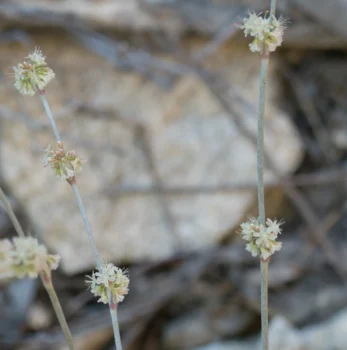
Longstem Buckwheat: A California Native Worth Growing
If you’re looking to add a drought-tolerant California native to your garden that’s both beautiful and beneficial to local wildlife, longstem buckwheat (Eriogonum elongatum) might just be the perfect choice. This charming perennial herb brings delicate beauty to landscapes while supporting native pollinators and requiring minimal water once established.
What Makes Longstem Buckwheat Special?
Longstem buckwheat is a true California native, found exclusively within the Golden State. As a member of the buckwheat family, this perennial forb produces clusters of small, white to pinkish flowers that create a soft, cloud-like appearance in the garden. The silvery-green foliage provides year-round interest, and the attractive seed heads add textural appeal long after the blooming period ends.
Where Does It Grow Naturally?
This native beauty is endemic to California, where it thrives in coastal ranges and can be found on the Channel Islands. Its natural habitat gives us important clues about how to grow it successfully in our gardens.
- Species observed
- No observations
A Note About Conservation
Longstem buckwheat has a conservation status of S3S4, which suggests it may face some population pressures in the wild. This makes it even more important to include in native gardens, but be sure to source your plants from reputable native plant nurseries that grow from ethically collected seeds rather than wild-harvested plants.
Why Grow Longstem Buckwheat?
There are several compelling reasons to add this native to your landscape:
- Extremely drought tolerant once established
- Attracts beneficial pollinators including native bees and butterflies
- Low maintenance and deer resistant
- Provides habitat and food for native wildlife
- Adds texture and seasonal interest to gardens
- Supports local ecosystem health
Perfect Garden Settings
Longstem buckwheat shines in several garden styles:
- Native California gardens
- Mediterranean and xeriscape designs
- Rock gardens and slopes
- Pollinator gardens
- Low-water landscapes
It works beautifully as a groundcover, border plant, or specimen in rock gardens where its delicate flowers can be appreciated up close.
Growing Conditions and Care
Success with longstem buckwheat comes from mimicking its natural habitat:
Climate: Hardy in USDA zones 8-10, perfect for California’s Mediterranean climate
Sun Requirements: Thrives in full sun locations
Soil Needs: Well-draining soil is absolutely essential. This plant cannot tolerate soggy conditions and will quickly decline in heavy or poorly draining soils
Water Requirements: Drought tolerant once established, but benefits from occasional deep watering during extended dry periods
Planting and Care Tips
For the best success with longstem buckwheat:
- Plant in fall when temperatures cool and rains begin
- Ensure excellent drainage – consider raised beds or slopes if your soil is heavy
- Water regularly the first year to establish roots, then reduce watering
- Avoid fertilizers, which can cause weak, leggy growth
- Allow seed heads to remain for wildlife and natural reseeding
- Prune lightly if needed after flowering to maintain shape
Supporting Native Ecosystems
By choosing longstem buckwheat, you’re not just adding beauty to your landscape – you’re creating habitat for native pollinators and supporting the complex web of life that depends on California’s native plants. The flowers provide nectar and pollen for various bee species and butterflies, while the seeds feed birds and small mammals.
Is Longstem Buckwheat Right for Your Garden?
This native gem is an excellent choice if you’re gardening in California and want to create a sustainable, low-water landscape that supports local wildlife. Its conservation status makes it an especially meaningful addition to native plant collections, helping ensure this species continues to thrive both in gardens and in the wild.
Remember to source your plants responsibly from nurseries that specialize in native plants, and enjoy watching the parade of pollinators that will visit your longstem buckwheat throughout its blooming season!