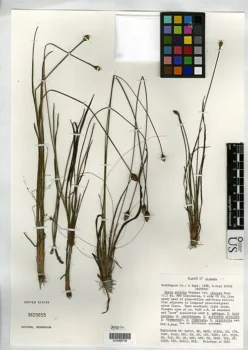
Louisiana Yelloweyed Grass: A Delicate Native Wetland Beauty
If you’re looking to add a touch of understated elegance to your wetland garden, Louisiana yelloweyed grass (Xyris louisianica) might just be the perfect choice. This charming native perennial brings a subtle beauty to soggy spots where many other plants fear to tread.
Meet Louisiana Yelloweyed Grass
Louisiana yelloweyed grass is a delicate herbaceous perennial that belongs to the fascinating world of native wetland plants. Despite its grass-like appearance, it’s actually a forb – a non-woody flowering plant that produces small, bright yellow blooms on slender stems. Don’t let the grass in its name fool you; this little beauty is in a league of its own!
Where Does It Call Home?
This southeastern native has made itself at home across six states in the lower 48: Alabama, Florida, Georgia, Louisiana, Mississippi, and Texas. It’s particularly fond of the Atlantic and Gulf Coastal Plain regions, where it thrives in the unique wetland ecosystems that define much of the Southeast.
- Species observed
- No observations
A Plant That Needs Our Help
Here’s something important to know before you fall head-over-heels for this charming plant: Louisiana yelloweyed grass has a Global Conservation Status of S3, meaning it’s considered vulnerable. With typically only 21 to 100 occurrences and between 3,000 to 10,000 individuals remaining, this species needs our thoughtful stewardship.
If you choose to grow Louisiana yelloweyed grass, please only source it from reputable native plant nurseries that practice responsible propagation. Never collect plants from the wild – let’s help protect the remaining populations!
Why Grow Louisiana Yelloweyed Grass?
Despite its vulnerable status (or perhaps because of it), there are compelling reasons to include this native in your landscape:
- Supports local ecosystems and native biodiversity
- Perfectly adapted to southeastern wetland conditions
- Provides habitat and food for small pollinators and beneficial insects
- Adds delicate texture and seasonal interest to wet areas
- Requires minimal maintenance once established
- Helps with natural water filtration in boggy areas
Perfect Spots for Planting
Louisiana yelloweyed grass is an obligate wetland plant, which means it almost always occurs in wetland conditions. This makes it ideal for:
- Bog gardens and natural wetland areas
- Rain gardens and bioswales
- Edges of ponds or water features
- Native plant gardens with consistent moisture
- Restoration projects in appropriate wetland habitats
Growing Conditions and Care
Successfully growing Louisiana yelloweyed grass is all about mimicking its natural wetland habitat:
Light: Full sun to partial shade – it’s quite adaptable to different light conditions as long as moisture needs are met.
Soil: Consistently moist to wet, acidic soils. Think boggy conditions rather than just moist garden soil.
Hardiness: Thrives in USDA zones 8-10, perfectly suited to the southeastern climate.
Water: This is non-negotiable – it needs consistent moisture or standing water. Not drought tolerant!
Planting and Care Tips
- Plant in spring when soil temperatures warm up
- Ensure the planting site stays consistently wet year-round
- Space plants according to nursery recommendations (typically 12-18 inches apart)
- Mulch around plants to help retain moisture
- Minimal fertilization needed – wetland soils are typically nutrient-rich
- Allow plants to go dormant naturally in winter
- Division can be done in early spring if propagating responsibly
A Small Plant with Big Impact
While Louisiana yelloweyed grass may not be the showstopper of your garden, it plays a crucial role in supporting native ecosystems. Its small yellow flowers attract beneficial insects, and its presence helps maintain the delicate balance of wetland environments. Plus, there’s something deeply satisfying about growing a plant that truly belongs in your region.
By choosing to grow Louisiana yelloweyed grass responsibly, you’re not just adding a unique native to your landscape – you’re becoming a steward for a vulnerable species that deserves our protection and appreciation. Just remember: source responsibly, plant thoughtfully, and enjoy watching this delicate beauty thrive in its preferred soggy paradise!