Lo’ulu Lelo: The Rare Hawaiian Fan Palm Worth Saving in Your Garden
If you’re dreaming of adding authentic Hawaiian flair to your tropical garden, let me introduce you to one of the islands’ most elegant native palms: lo’ulu lelo (Pritchardia hillebrandii). This stunning fan palm isn’t just a beautiful addition to your landscape—it’s a living piece of Hawaiian natural heritage that desperately needs our help to survive.
What Makes Lo’ulu Lelo Special?
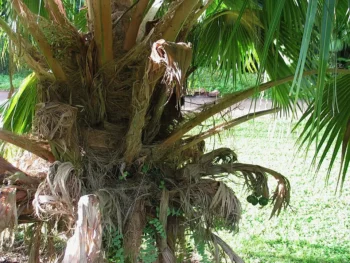
Lo’ulu lelo is a graceful perennial tree that can grow over 13-16 feet tall, featuring the classic fan-shaped leaves that make Pritchardia palms so distinctive. With its single trunk and dramatic palmate fronds, this palm creates an instant tropical paradise wherever it grows. The large, fan-like leaves catch the breeze beautifully and cast interesting shadows, making it a natural sculpture in any garden setting.
A Critically Endangered Hawaiian Treasure
Here’s where things get serious: lo’ulu lelo has a Global Conservation Status of S1, meaning it’s critically imperiled. With typically fewer than 5 occurrences and less than 1,000 individuals remaining in the wild, this palm is teetering on the edge of extinction. That makes every garden specimen incredibly important for the species’ survival.
Where It Calls Home
This rare beauty is endemic to Hawaii, where it grows naturally in the island chain’s unique ecosystems. Lo’ulu lelo has adapted to Hawaii’s tropical climate and can handle both wetland and non-wetland conditions, making it surprisingly versatile despite its rarity.
- Species observed
- No observations
Should You Plant Lo’ulu Lelo?
Absolutely—but with a big caveat. If you live in USDA zones 10-12 and can source your plant responsibly, growing lo’ulu lelo is actually a conservation act. Every healthy specimen in cultivation helps preserve the genetic diversity of this critically endangered species. However, you must ensure your plant comes from legitimate nurseries that propagate from legally obtained seeds or cuttings—never from wild-collected plants.
Perfect Garden Roles for This Hawaiian Beauty
Lo’ulu lelo shines as:
- A stunning specimen tree in tropical and subtropical landscapes
- The perfect centerpiece for Hawaiian native plant gardens
- An excellent choice for drought-tolerant landscaping once established
- A dramatic focal point in coastal plantings
- An authentic addition to resort-style or tropical-themed gardens
Growing Your Lo’ulu Lelo Successfully
Despite its endangered status, lo’ulu lelo isn’t particularly fussy once you understand its needs:
Climate Requirements: This palm is strictly for warm climates—USDA zones 10-12 only. It needs year-round warmth and cannot tolerate frost.
Light and Location: Give your lo’ulu lelo partial to full sun. It appreciates bright light but can handle some afternoon shade in extremely hot climates.
Soil Needs: Well-draining soil is absolutely critical. This palm can rot if its roots sit in water, so ensure good drainage whether you’re planting in clay or sandy soil.
Watering Wisdom: Water regularly when young, but once established, lo’ulu lelo becomes quite drought-tolerant. It’s better to underwater than overwater.
Special Care Tips: Protect young palms from strong winds, and be patient—palms are notoriously slow growers. Your lo’ulu lelo will reward your patience with decades of tropical beauty.
Wildlife and Pollinator Benefits
Like many palms, lo’ulu lelo produces flowers that can attract various insects, contributing to your garden’s ecosystem. While specific pollinator data for this rare species is limited, palm flowers generally provide nectar and pollen for beneficial insects.
The Conservation Connection
By choosing to grow lo’ulu lelo, you’re not just adding beauty to your garden—you’re participating in species conservation. Every healthy plant in cultivation represents hope for this critically endangered palm’s future. Just remember to source responsibly and consider it a privilege to steward such a rare native Hawaiian treasure.
If you can’t find lo’ulu lelo from responsible sources, consider other native Hawaiian palms or native plants from your own region. The goal is always to support native biodiversity while creating beautiful, sustainable landscapes.