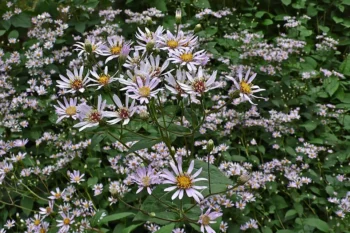
Low Rough Aster: A Rare Native Gem for Wetland Gardens
If you’re looking to add late-season color to your wetland garden while supporting conservation efforts, the low rough aster (Eurybia radula) might just be the perfect plant for you. This charming native perennial brings delicate beauty to wet areas when most other flowers are calling it quits for the season.
What is Low Rough Aster?
Low rough aster is a native North American perennial forb that belongs to the vast and wonderful aster family. Unlike its showier cousins, this modest beauty has earned its low moniker honestly – it tends to stay relatively compact while producing clusters of small, daisy-like flowers that dance in the autumn breeze.
You might also encounter this plant in older references under its former scientific names, including Aster radula or Aster strictus, but botanists have since moved it to the genus Eurybia.
Where Does Low Rough Aster Call Home?
This native gem has quite an impressive range across eastern North America. You’ll find low rough aster growing naturally from the maritime provinces of Canada (New Brunswick, Nova Scotia, Prince Edward Island, Quebec, and even Newfoundland and Labrador) down through the northeastern and mid-Atlantic United States. Its range includes Connecticut, Delaware, Kentucky, Maine, Maryland, Massachusetts, New Hampshire, New Jersey, New York, Pennsylvania, Rhode Island, Vermont, Virginia, and West Virginia.
- Species observed
- No observations
A Plant That Lives Life on the Wet Side
Here’s where low rough aster gets really interesting – it’s what botanists call an obligate wetland plant. This means it almost always grows in wetlands, whether that’s marshes, wet meadows, boggy areas, or the edges of ponds and streams. If you see this aster growing wild, you can be pretty confident there’s water nearby!
Important Conservation Note
Before we dive into growing tips, there’s something crucial you need to know: low rough aster is considered endangered in New Jersey, where it holds an S1 rarity status. This means the plant is critically imperiled in that state. If you’re interested in growing this species, please make sure you source it responsibly from reputable native plant nurseries that propagate their own stock rather than collecting from wild populations.
Why Grow Low Rough Aster?
Despite its rarity challenges, there are compelling reasons to consider this native beauty:
- Late-season bloomer providing nectar when pollinators need it most
- Perfect for rain gardens and wetland restoration projects
- Low maintenance once established in the right conditions
- Supports native biodiversity and conservation efforts
- Adds subtle, natural beauty to wet areas of your landscape
Growing Conditions and Care
Low rough aster is surprisingly easy to grow if you can meet its one non-negotiable requirement: consistently moist to wet soil. Here’s what this wetland lover needs to thrive:
- Sunlight: Full sun to partial shade (though it blooms best with good light)
- Soil: Moist to wet, can handle seasonal flooding
- Hardiness: USDA zones 3-7
- pH: Adaptable to various pH levels
- Water: Consistently moist; never let it dry out completely
Perfect Garden Situations
Low rough aster shines in specific garden scenarios:
- Rain gardens and bioswales
- Pond or stream edges
- Native plant gardens with irrigation
- Wetland restoration projects
- Naturalized wet meadow areas
Planting and Maintenance Tips
Once you’ve sourced your plants responsibly, growing low rough aster is refreshingly straightforward:
- Plant in spring after the last frost
- Space plants 12-18 inches apart
- Mulch lightly to retain moisture
- Water regularly until established, then let nature take over
- Divide clumps every few years in spring to maintain vigor
- Deadhead spent flowers if you want to prevent self-seeding
Aesthetic Appeal Throughout the Seasons
Low rough aster offers subtle but genuine beauty throughout the growing season. In spring and summer, you’ll appreciate its tidy foliage and compact growth habit. The real show begins in late summer and early fall when clusters of small, white to pale lavender flowers with bright yellow centers appear. Each flower is only about half an inch across, but they appear in such numbers that the overall effect is quite lovely.
Supporting Pollinators When They Need It Most
Perhaps the most compelling reason to grow low rough aster is its timing. When most flowers are finished for the year, this generous plant provides crucial nectar for late-season pollinators, including native bees and butterflies preparing for winter.
The Bottom Line
Low rough aster might not be the flashiest plant in the garden, but it’s definitely one of the most purposeful. If you have a wet spot in your landscape and want to support native plant conservation while providing late-season pollinator habitat, this rare beauty deserves serious consideration. Just remember to source it responsibly – every plant grown in cultivation helps reduce pressure on wild populations and contributes to the conservation of this special native species.